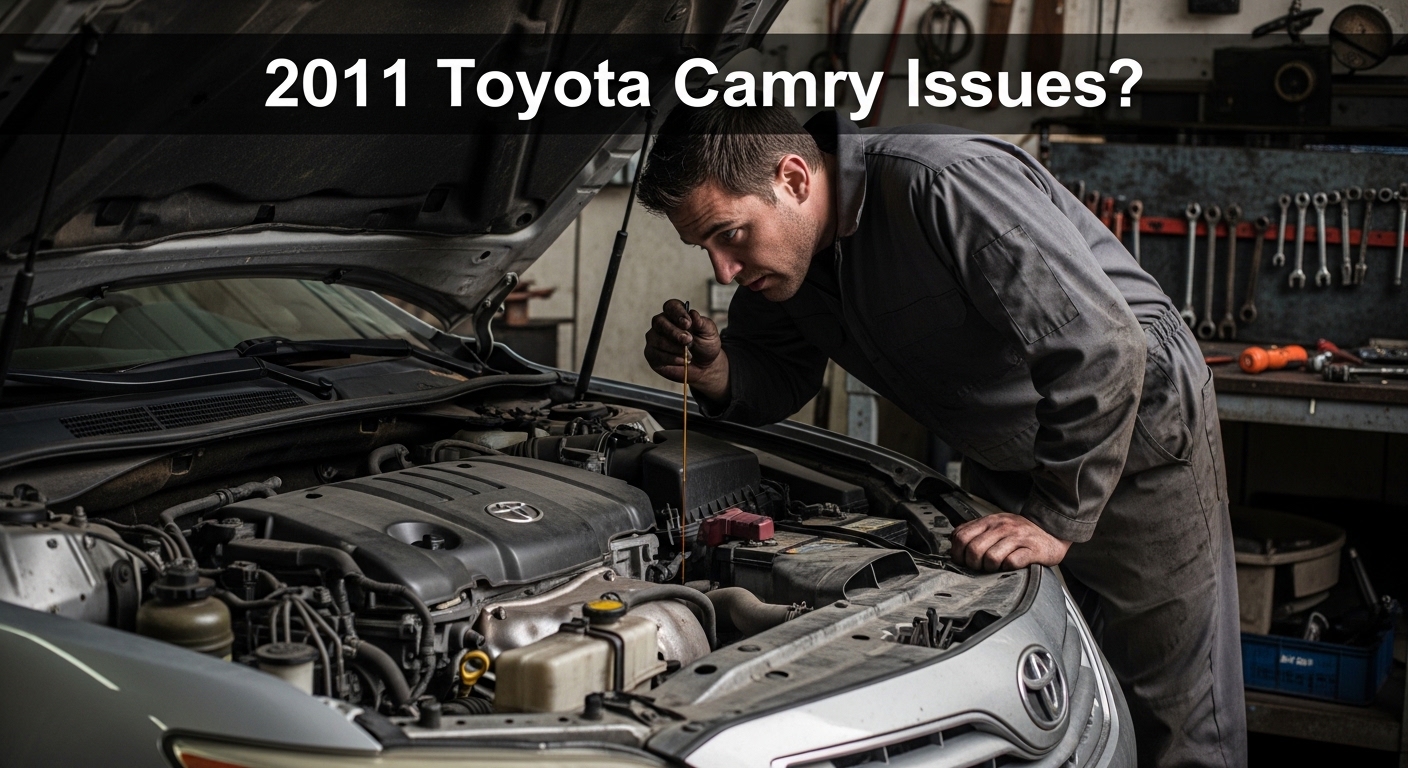
2011 Toyota Camry Issues? Common Problems & Reliability Guide
Oil burning, transmission hesitation, and dashboard complaints are these small annoyances or serious red flags? If you are considering a used 2011 Camry, you need more than a basic problem list. You need to know which issues actually matter, which ones are normal wear, and which ones can cost thousands if ignored.
In this guide, we will break down 2011 Toyota Camry issues, the real owner-reported issues, what causes them, and whether they are serious enough to worry about before buying a used 2011 Camry.
Is the 2011 Toyota Camry Reliable?
Yes, but mainly if it has been maintained properly.
Compared to 2011 rivals like the Honda Accord and Nissan Altima, the Camry generally has fewer major engine and transmission failures. Many examples exceed 200,000 miles. The biggest weakness is oil consumption in certain 4-cylinder models.
Overall reliability: Above average for its class.
What Are the Most Common 2011 Camry Issues?
Owners most often report:
- Excessive oil consumption (2.5L 4-cylinder)
- Mild transmission hesitation
- Sticky or melting dashboard
- Power steering rack leak
- Faster-than-expected brake wear
Most of these are manageable. The oil issue is the only one that can become expensive if ignored.
Why Does the 2011 Camry Burn Oil?
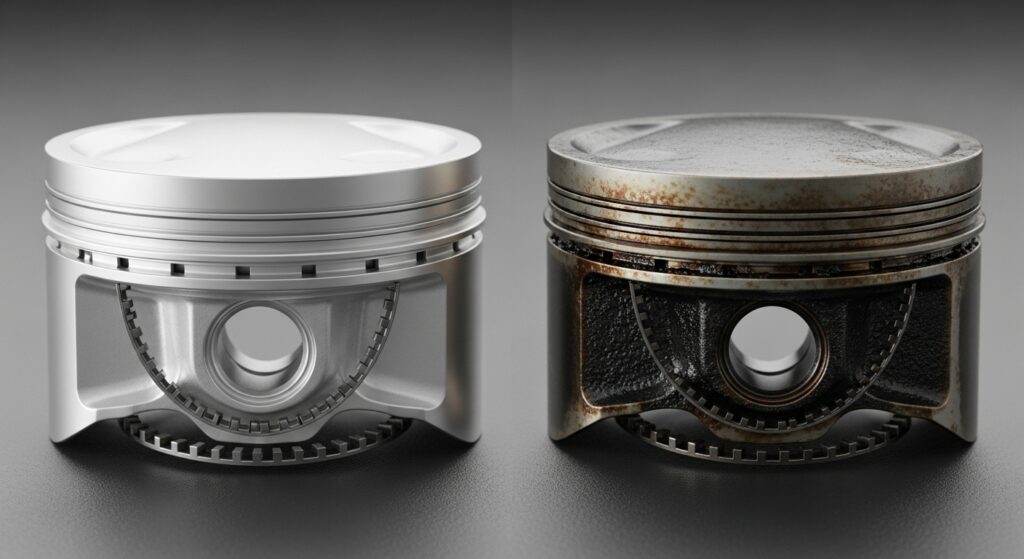
This mainly affects the 2.5L 4-cylinder 2AR-FE engine.
The oil control rings in some engines wear prematurely. When that happens, oil slips past the rings and burns inside the combustion chamber. Some owners report losing one quart every 1,000 to 1,500 miles.
If left unchecked, it can lead to:
- Low oil levels between changes
- Engine knocking
- Long-term internal wear
Toyota issued service bulletins, but many cars today are out of warranty. Regular oil monitoring is critical.
Here is a quick guide: How to Open the Hood of a Toyota Camry?
See owner-reported excessive oil consumption complaints on CarComplaints.com.
Does the 2011 Camry Have Transmission Problems?
Yes, but mostly minor hesitation, not failure.
Some drivers feel a slight delay when accelerating at low speeds. This is usually related to shift programming rather than internal damage. In many cases, fresh transmission fluid improves the feel.
Full transmission replacements are uncommon compared to many competitors from the same year
Are There Steering or Suspension Failures?
Not widespread, but age-related wear is common.
Typical issues include:
- Steering rack leaks
- Front suspension clunking
- Struts are wearing out after 100,000 miles
These are normal ageing components, not systemic design flaws.
What Is the Dashboard Melting Problem?

In hot climates, some dashboards became sticky or shiny due to material breakdown from heat exposure.
Toyota extended warranty coverage for affected vehicles, but most are now beyond that period. It does not affect safety, but replacement can be costly.
What Recalls Affected the 2011 Camry?
| Recall Area | Issue | Severity |
| Seat Rails | Improper weld strength | Moderate |
| Power Window Switch | Fire risk | Moderate |
| Takata Airbags | Inflator rupture risk | Serious |
Most recall repairs were completed free of charge. Always verify recall status using the vehicle’s VIN.
What Problems Appear After 100K Miles?
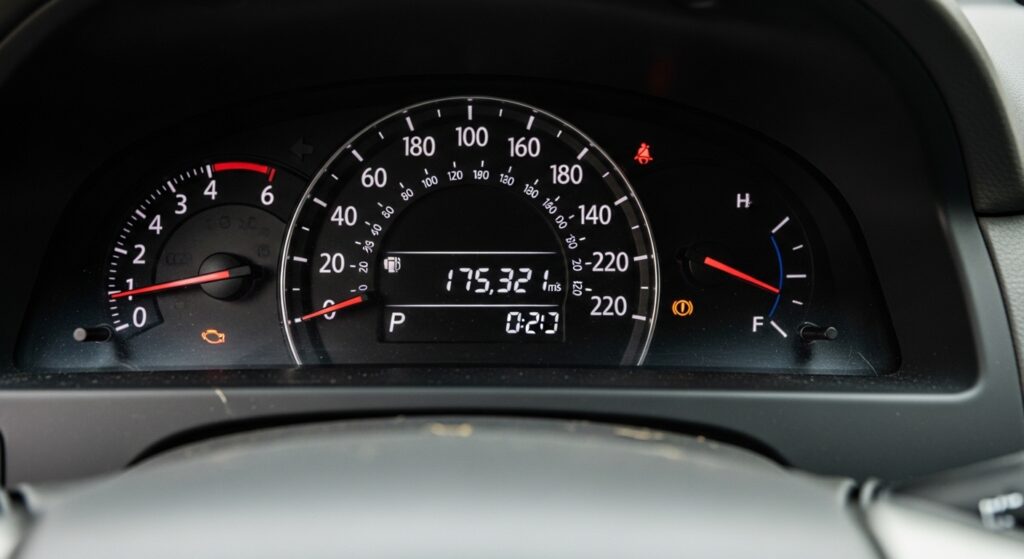
Once past 100,000 miles, expect normal ageing repairs:
- Oil consumption may increase
- Water pump replacement
- Suspension refresh
- Brake system overhaul
- Engine mount wear
Well-maintained models often pass 200k miles without major engine failure.
If you notice stalling at low speeds, this detailed guide explains why a 2011 Toyota Camry may shut off when stopping and what it really means.
How Much Do 2011 Camry Repairs Cost?
| Repair | Estimated Cost (USD) |
| Engine rebuild (oil issue) | $2,000 to $4,000 |
| Transmission replacement | $3,000 to $4,500 |
| Steering rack replacement | $800 to $1,500 |
| Full strut replacement | $700 to $1,200 |
| Average yearly maintenance | $400 to $600 |
Compared to other midsize sedans from 2011, long-term ownership costs remain relatively low.
How Does It Compare to Other 2011 Sedans?
- More reliable long-term than the 2011 Nissan Altima
- Similar overall durability to the 2011 Honda Accord
- Lower repair frequency than many American midsize models
Its reputation is still stronger than most competitors from that year.
Should You Avoid the 2011 Camry?
Avoid it only if oil consumption is severe or maintenance history is missing.
If service records are complete and oil levels are regularly monitored, it remains a practical and dependable choice.
What Should You Check Before Buying?
Before committing:
- Check the current oil level and ask about consumption
- Watch for blue smoke during startup
- Test drive for shift hesitation
- Inspect the dashboard surface condition
- Confirm recall repairs through VIN lookup
Spending on a pre-purchase inspection can prevent a costly mistake.
Frequently Asked Questions:
Is the 2011 Toyota Camry a reliable car?
Yes, it is generally reliable and can last over 200,000 miles with proper maintenance.
Is oil consumption common in the 2011 Camry?
Yes, especially in some 2.5L 4-cylinder models due to piston ring wear.
Does the 2011 Camry have serious transmission problems?
No, major transmission failures are rare, though minor hesitation can occur.
How long does a 2011 Camry engine last?
With regular oil changes and maintenance, the engine can exceed 200k miles.
Is it expensive to maintain a 2011 Camry?
Maintenance costs are below average compared to other midsize sedans of the same year.
Conclusion:
The 2011 Camry is not flawless, but it is far from a bad used car. The oil consumption issue is the only serious concern, and even that can be managed with careful monitoring. Compared with many 2011 competitors, it still offers solid long-term reliability and lower ownership costs. If you find one with documented maintenance and no heavy oil loss, it remains a smart, low-risk used sedan choice.