
What Year Toyota Camry Should You Avoid? Best & Worst Years!
What Year Toyota Camry Should You Avoid? The worst Toyota Camry years are 2007 to 2009 due to engine and transmission problems. 2010 to 2016 are generally safe, and newer models (2017 to 2026) offer the best reliability and features.
This guide highlights the best and worst years and offers expert advice for safe buying.
Which Toyota Camry Years Should You Avoid?
The Toyota Camry has been a reliable sedan for decades, but some years have had recurring issues that make it risky for buyers. If you are considering a used Camry, knowing which years to avoid can save you thousands in repairs.
Is the 2007 Toyota Camry the Worst Year?
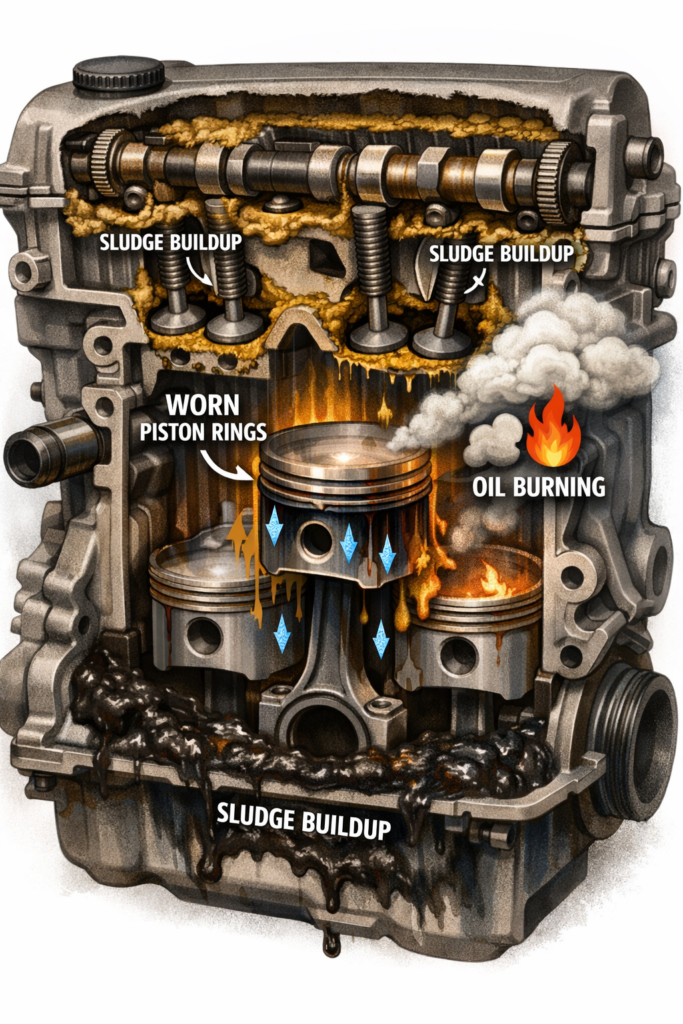
The 2007 Camry, particularly with the 2AZ-FE engine, is notorious for excessive oil consumption and engine sludge buildup after 80k miles. Many owners reported piston ring failures and early transmission faults. Mechanically, it is repairable, but it can be expensive if the engine is neglected. This model year also has one of the highest complaint counts compared to later Camry models.
- High oil consumption after long drives
- Engine sludge is causing a reduced lifespan
- Transmission hesitation under load
Verdict: Only consider if engine records are spotless and oil changes were frequent.
Should You Avoid the 2008 Toyota Camry?
The 2008 model carried over the same engine wear problems from 2007. While minor updates improved gear shifting reliability slightly, excessive oil consumption remained a problem. Hybrids introduced that year may need battery replacement depending on mileage.
- Persistent piston ring issues
- Some transmission hesitation reported
- Hybrid battery replacement is likely after 8 to 10 years
Tip: Check maintenance records and consider a pre-purchase inspection for engine compression.
Is the 2009 Camry Still a Bad Choice?
The 2009 Camry corrected some early gear-shifting faults, but the 2AZ-FE engine still poses an oil-burning risk. Reports show that issues are less severe if previous owners maintained the engine properly.
- Transmission more reliable than the 2007 to 2008
- Engine problems possible after 100k miles
- Hybrid models may require battery service soon
Are the 2010 to 2011 Camry Models Reliable or Not?
These years are generally safer. Toyota made minor revisions to the engine and transmission, reducing the common failures seen in earlier models. Buyer confidence is higher, especially with non-hybrid versions.
- Engine longevity improved with minor updates
- Transmission issues have reduced significantly
- Routine maintenance keeps these models trouble-free
Why Are Some Toyota Camry Years Unreliable?
Reliability often comes down to engine and transmission design. Certain model years had known defects, while others benefited from incremental improvements. Understanding these helps buyers make informed choices.
What Causes Oil Consumption in Camry Engines?
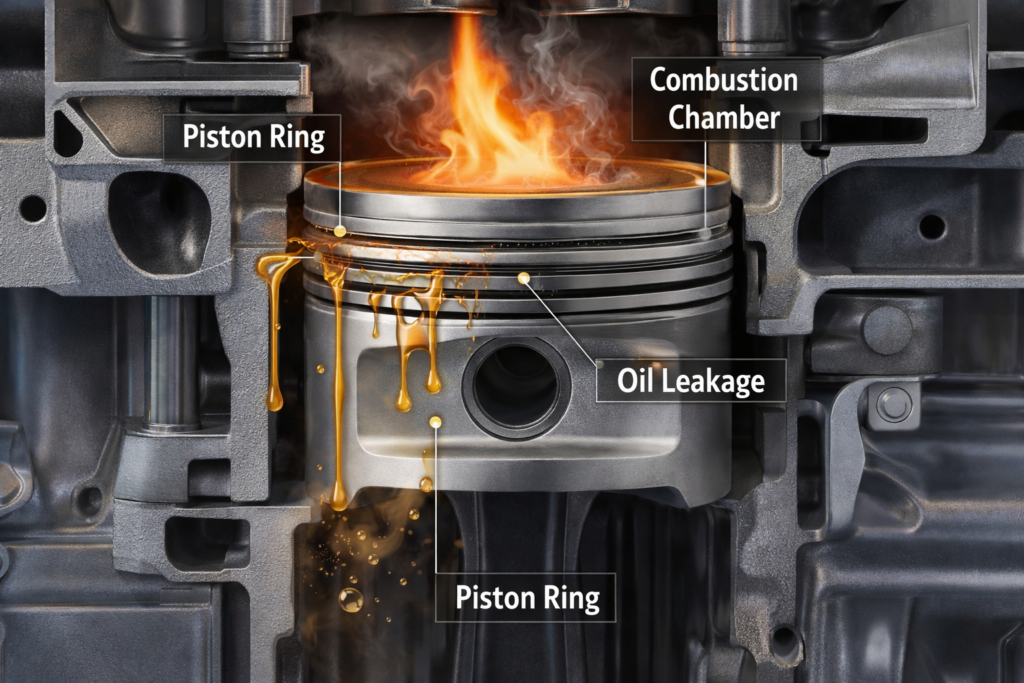
The main culprit is the 2AZ-FE engine design, used between 2007 and 2011. Poor piston ring sealing and excessive clearances led to oil being burned in the combustion chamber.
- Occurs primarily after 80k to 120k miles
- Can cause engine sludge if oil changes are skipped
- Minor repairs, like piston ring replacement or oil additives, help temporarily
Many owner reports show this issue usually starts after 80,000 miles, especially in poorly maintained engines.
Expert Tip: Always check oil level trends before buying.
According to Toyota service bulletins, oil consumption in 2007 to 2009 models was linked to piston ring design.
Also Read: Toyota Camry Oil Consumption Fix
Why Do Some Camry Transmissions Fail?
Transmission failures often stem from the U660E automatic unit, which struggles under high mileage or poor maintenance. Symptoms include delayed shifts, hard engagement, and occasional slipping.
- Most common in 2007 to 2009 models
- Regular transmission fluid changes improve lifespan
- Avoid models with unknown service history
Do Hybrid Camry Models Have Expensive Battery Issues?
Hybrids from 2007 to 2011 typically have NiMH batteries with a lifespan of 8 to 10 years. Replacement can cost $2,000 to $4,000, which is often unexpected by buyers.
- Check hybrid battery health using OBD-II scan tools
- Older hybrids may still perform if batteries are replaced
- Consider battery warranty coverage when buying
At What Mileage Do Toyota Camry Problems Start?
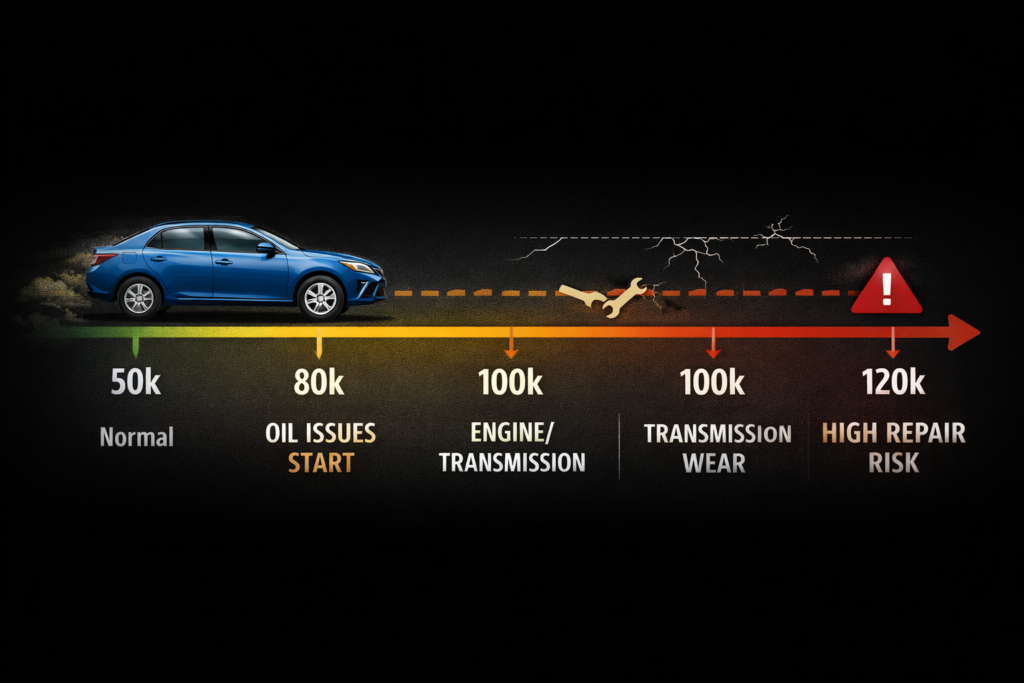
Most common mechanical issues appear between 80,000 and 120,000 miles. Oil consumption, transmission wear, and hybrid battery degradation usually accelerate in this range. Early inspections and full service history are key to avoiding high-cost repairs.
Camry Problems by Mileage and Year
| Year | Common Problem | Typical Mileage | Notes |
| 2007 | Oil consumption/engine sludge | 80k to 120k | High maintenance required |
| 2008 | Transmission hesitation | 90k to 120k | Slightly improved vs 2007 |
| 2009 | Engine oil burning | 100k+ | Dependent on prior maintenance |
| 2010 | Minor engine/transmission issues | 120k+ | Generally reliable |
| 2011 | Few reported issues | 120k+ | Best early decade model |
Read Guide: How Many Miles Does a Toyota Camry Last?
Are These Camry Years Always Bad or Sometimes Worth Buying?
Not all bad years are total write-offs. A 2007 to 2009 Camry with thorough maintenance and documented service history can remain reliable for years. Buyer vigilance and mechanical inspection are critical to avoid hidden issues.
How Much Does It Cost to Fix Common Camry Problems?
Repair costs vary widely depending on the year and severity of the issue:
Common Repairs & Costs
| Repair | Estimated Cost |
| Engine piston rings replacement | $1,200 to $2,500 |
| Transmission repair/rebuild | $1,500 to $3,000 |
| Hybrid battery replacement | $2,000 to $4,000 |
| Regular maintenance | $300 to $500 annually |
Tip: Older Camrys with no maintenance records are high-risk and may require immediate repairs.
How Do You Check a Used Toyota Camry Before Buying?
Inspecting a used Camry is critical to avoid costly surprises. Start with visual checks, followed by mechanical tests and service records verification.
How Can You Detect Oil-Burning Issues?
- Check the dipstick frequently; rapid oil loss indicates problems
- Blue smoke from exhaust during startup or acceleration is a red flag
- Review service records for consistent oil changes
What Red Flags Should You Never Ignore?
- Rough transmission shifting or delayed gear engagement
- Engine knocking, unusual noises, or overheating
- Warning lights on dashboard not previously resolved
- Hybrid battery degradation warning (if applicable)
Which Toyota Camry Years Are the Most Reliable?
- 2012 to 2016 non-hybrid models: minimal engine/transmission complaints
- 2017 to 2022 models: further refinements with Toyota’s Dynamic Force engine
- 2023 to 2026 models: latest safety and tech updates, highly reliable
Advice: Later-generation Camrys are safer investments, but the higher price reflects low risk and modern features.
Is Buying a High-Mileage Toyota Camry a Good Idea?
High-mileage Camrys (150k+ miles) can still be reliable if previous owners maintained them. Pay attention to engine condition, transmission service, and hybrid battery health. Avoid cars with skipped major maintenance or signs of engine wear.
What Is the Best Toyota Camry Year Based on Your Budget?
Best Camry Year by Budget
| Budget Range | Recommended Year(s) | Notes |
| Low ($8k) | 2007 to 2009 | Only with full history |
| Mid ($8k to $15k) | 2010 to 2013 | Balanced option |
| High ($15k+) | 2014 to 2026 | Most reliable |
Tip: Older cars save upfront cost but may require more maintenance; newer cars cost more but reduce unexpected repair risks.
Which Toyota Camry Years Should You Avoid?
What Year Toyota Camry Should You Avoid?
- Avoid 2007 to 2009 unless meticulously maintained
- Hybrid models before 2012 may have expensive battery issues
- 2010 to 2016 models are generally reliable if serviced
- 2017 to 2026 models are safe and recommended for stress-free ownership
Human Expert Advice: Buy based on service history, mileage, and inspection reports rather than just year. Investing a bit more upfront often saves thousands in repairs later.
FAQs
Is the 2007 Camry a bad year to buy?
Yes, it has high oil consumption and engine wear problems that appear after 80k miles.
Are the 2010 to 2011 Camry models reliable?
Yes, minor updates improved engine and transmission reliability compared to earlier years.
Do hybrid Camrys before 2012 have battery issues?
Older hybrid batteries may need replacement after 8 to 10 years, costing $2,000 to $4,000.
At what mileage do Camry problems usually start?
Most engine or transmission issues appear between 80k and 120k miles.
Is every older Camry unsafe to buy?
No, cars with full maintenance records and inspections can still be reliable.
Conclusion:
Not all Toyota Camry years are created equal. Older models, like those from 2007 to 2009, require caution due to engine wear problems and transmission faults. Choosing later years, maintaining proper service records, and inspecting high-mileage cars ensures a reliable purchase. Knowledge of problem years, mileage trends, and hybrid battery lifespan helps buyers avoid unexpected repairs, making Camry ownership stress-free and cost-effective.