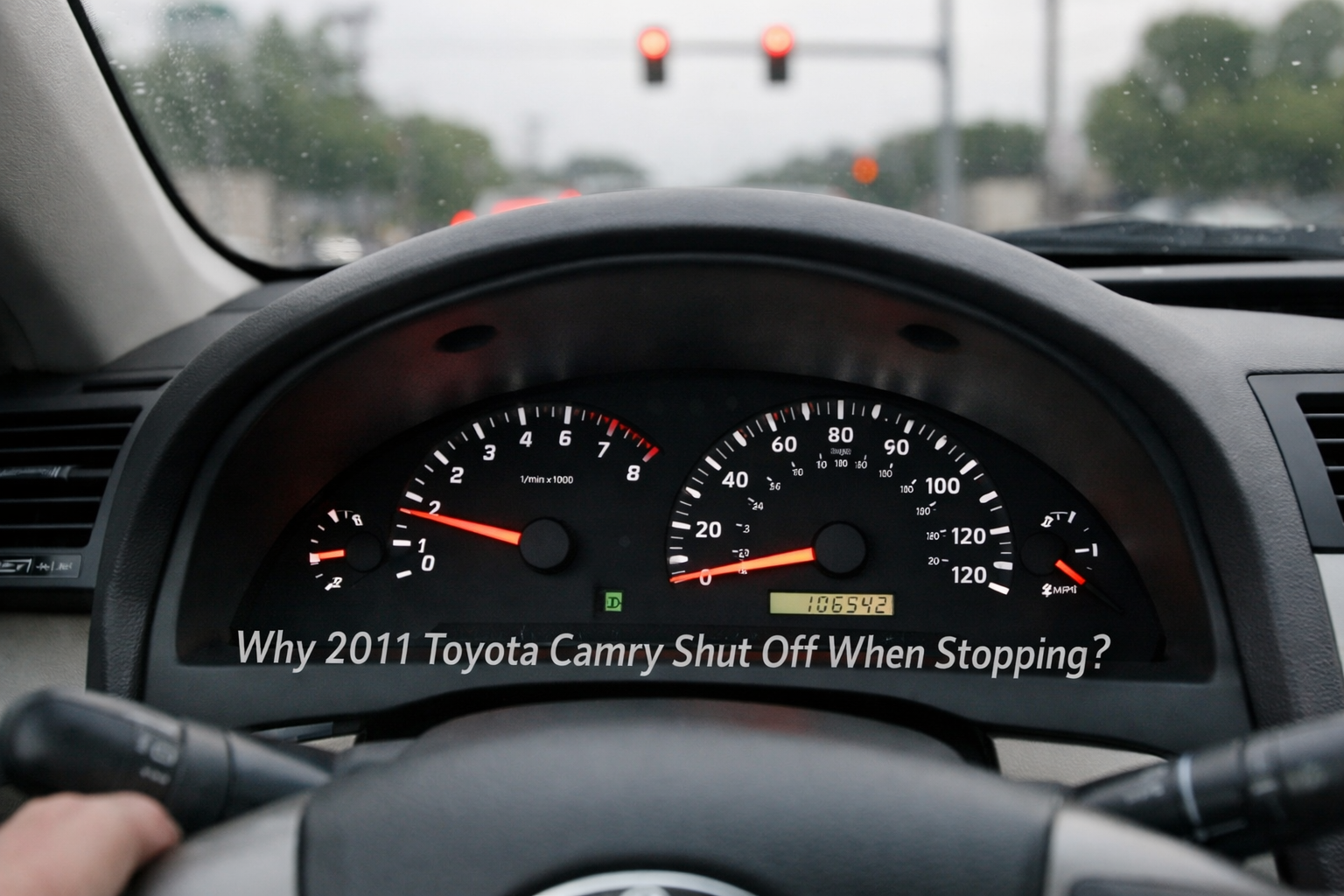
Why 2011 Toyota Camry Shut Off When Stopping? Causes & Fixes!
A Toyota Camry shuts off when stopping, mostly due to a dirty throttle body, failing idle air control, a weak fuel pump, or a faulty torque converter. Low fuel pressure or sensor issues can also cause stalling. Proper diagnosis is required before replacing parts.
In this guide, you will learn that Why 2011 Toyota Camry shut off when stopping, the most common reasons, real symptoms, quick fixes, and step-by-step checks to stop your Camry from stalling.
Quick Symptom to Cause Guide:
| Symptom | Most Likely Cause | First Thing to Check |
| Shakes then shuts off at the stop | Dirty throttle body | Clean the throttle body |
| RPM drops suddenly when braking | Airflow restriction | Clean the MAF sensor |
| Stalls after refueling | EVAP purge issue | Avoid overfilling the tank |
| Hard restart after stall | Weak fuel pressure | Test the fuel pump |
| Electrical flicker + stall | Weak battery/alternator | Test voltage (13.5–14.5V running) |
Wondering if your Camry is AWD or not?
This quick guide clears up drivetrain myths most owners still get wrong.
Why Does a Toyota Camry Stall?
The Toyota Camry, equipped with either a 2.5L inline-four or a 3.5L V6, can shut off at idle when the air-fuel ratio is not balanced. Knowing these causes helps you fix the problem faster.
Most Common Cause: Dirty Throttle Body
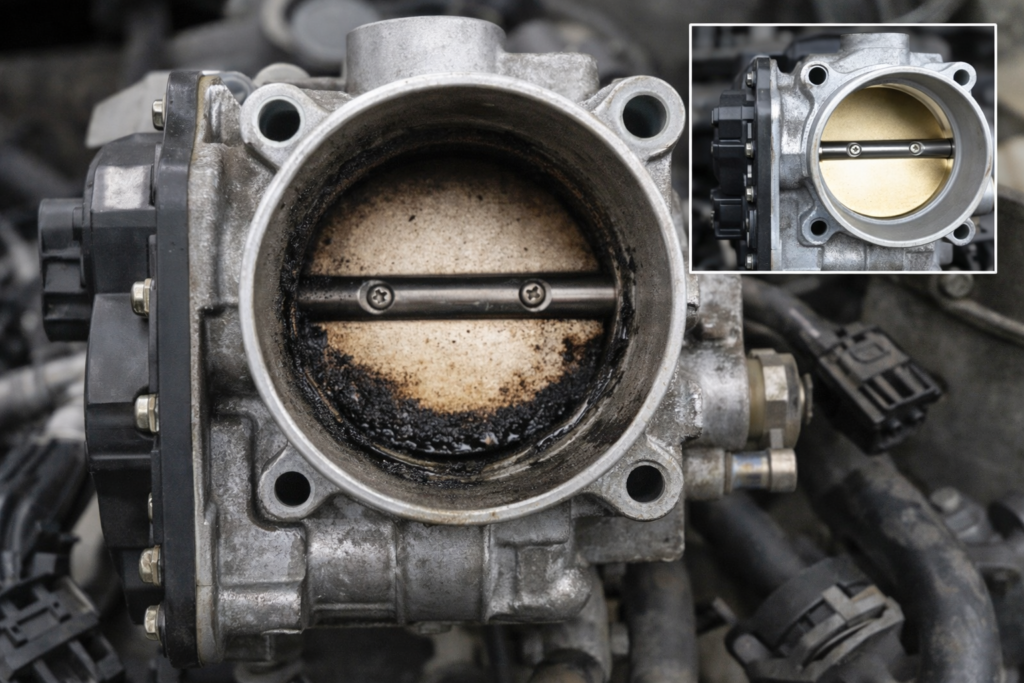
The most common cause of a Camry shutting off when braking is a dirty throttle body. Carbon buildup over time blocks airflow at low speeds. When the engine cannot get enough air, it stalls at idle.
Common symptoms
- The car shakes before shutting off
- RPM drops suddenly ata stop
- Car restarts normally
- No warning light (sometimes)
A customer brought in a Camry that stalled at every red light but restarted immediately. No check engine light was present. Live OBD2 data showed unstable idle RPM and slightly positive fuel trims at idle. After inspecting the throttle plate, heavy carbon buildup was visible. Cleaning the throttle body restored a steady idle at 700 RPM and eliminated stalling without replacing any parts.
Simple fix
Clean the throttle body using throttle cleaner. Many owners fix the problem after cleaning.
Based on real-world diagnostic experience, this model often stalls at stop signs are caused by airflow issues, especially throttle body buildup. In many cases, cleaning alone restored a smooth idle without replacing any parts.
Real Symptom Pattern Owners Notice:
Before the car shuts off, many drivers notice clear warning signs:
- The engine feels weak when slowing down
- RPM needle drops fast
- The car vibrates at a stop
- Restart works normally
- The problem happens more in traffic
- No check engine light (in early stage)
These patterns help quickly narrow down the root cause.
MAF Sensor and Air Intake Problems:
The MAF sensor measures how much air enters the engine. If it becomes dirty, the engine may receive an incorrect fuel amount and shut off while slowing.
Signs
- Rough idle
- Slow response
- Car stalls at stop signs
Quick check:
Clean the MAF sensor and replace the air filter if dirty.
Fuel System Problems:
If fuel pressure is low, the engine may shut off when the car stops.
Possible causes:
- Weak fuel pump
- Dirty fuel filter
| Problem | Quick Fix | Difficulty |
| Dirty throttle body | Clean the throttle body | Easy |
| Dirty MAF sensor | Clean sensor | Easy |
| Weak battery | Test / replace battery | Easy |
| Vacuum leak | Check hoses | Medium |
| Bad fuel pump | Replace pump | Hard |
| Bad crank sensor | Replace sensor | Medium |
Signs:
- The car dies at a stop
- Hard start sometimes
- Weak acceleration
Check:
Test fuel pressure or listen for a weak fuel pump sound.
Why does a Toyota Camry shut off when stopping?
The most common cause is a dirty throttle body that blocks airflow at low speeds. Other causes include a dirty MAF sensor, a weak battery, low fuel pressure, or a faulty crank sensor. Start by cleaning the airflow parts, then check the battery and fuel system.
Are Electrical or Sensor Faults Causing Stalling?
Electrical Problems That Cause Stalling:
Electrical faults can cause engine power to drop suddenly.
Common causes
- Weak battery
- Bad alternator
- Faulty crank sensor
Simple test
Check battery voltage. Low voltage can shut the engine off at idle.
Battery and Alternator Faults:
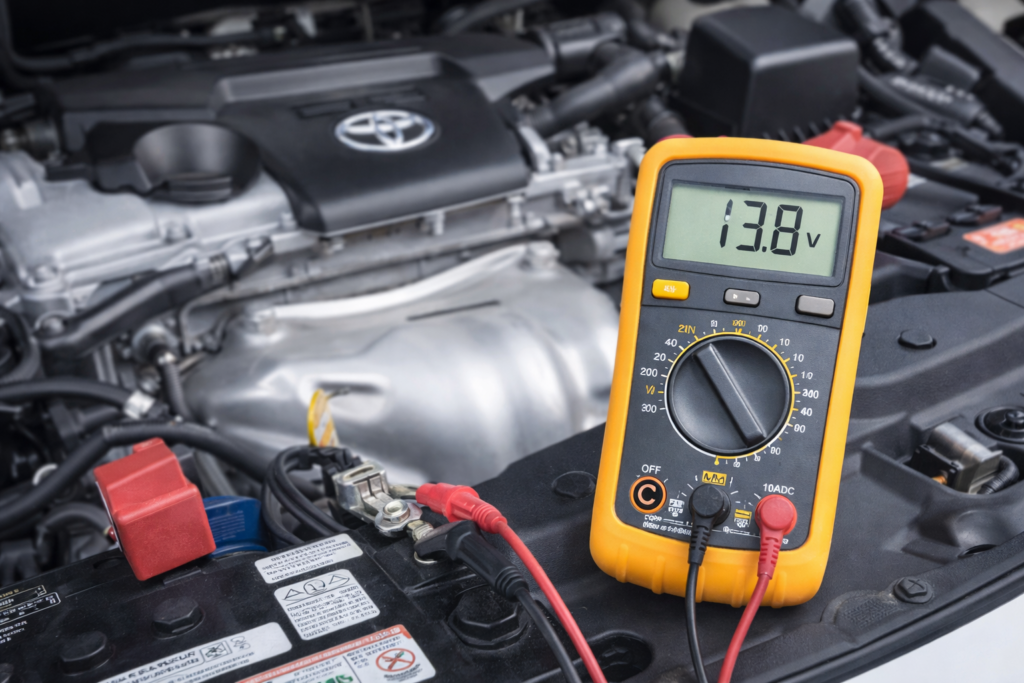
A weak alternator fails to charge the battery adequately, causing the If the system voltage drops significantly below normal charging range (13.5–14.5V), the ECU may lose a stable signal reference, causing stalling or rough idle. This is common in colder climates or with aftermarket accessories drawing excess power.
Use a multimeter to test: Alternator output should be 13.5-14.5V under load. Replacement alternators range from $150 to $300, with labor from $100 to $200.
Crank/Cam Sensor Intermittency:
The crankshaft position sensor monitors engine rotation; intermittent failures can cause no-start or stalling without warning lights. Heat expansion in older sensors exacerbates this.
P0335 (crank sensor circuit) is a frequent code.
ECU and Wiring Damage:
Rodent damage or corrosion in wiring harnesses can cause short circuits, leading to engine stalls. Recent reports from 2025 highlight inspecting for chewed wires near the engine bay. ECU reprogramming or replacement costs $500- $ 800.
Could Vacuum or Exhaust Leaks Cause Stalling?
Unmetered air entering the intake disrupts the air-fuel ratio, a key factor in the Toyota Camry’s low idle and vibration.
Detecting Vacuum Leaks:
Cracked hoses or intake manifold gaskets allow excess air, resulting in lean conditions and stalling. Use smoke testing for precise detection, as smoke reveals leaks visually.
Common spots: PCV valve hose or brake booster line. Repairs include hose replacement and cost under $50.
EGR Valve Maintenance:
A clogged EGR valve recirculates excess exhaust, diluting the mixture and causing sputters before shutdown.
Check for P0401 code. In polluted urban areas, this issue accelerates due to higher soot buildup.
EVAP System Overfills:
Overfilling the gas tank increases pressure on the EVAP purge valve, resulting in a rich mixture and stalling after refueling. Avoid topping off beyond the first click.
Visit NHTSA’s recall database for any EVAP-related updates.
Is the Transmission or Torque Converter Failing?
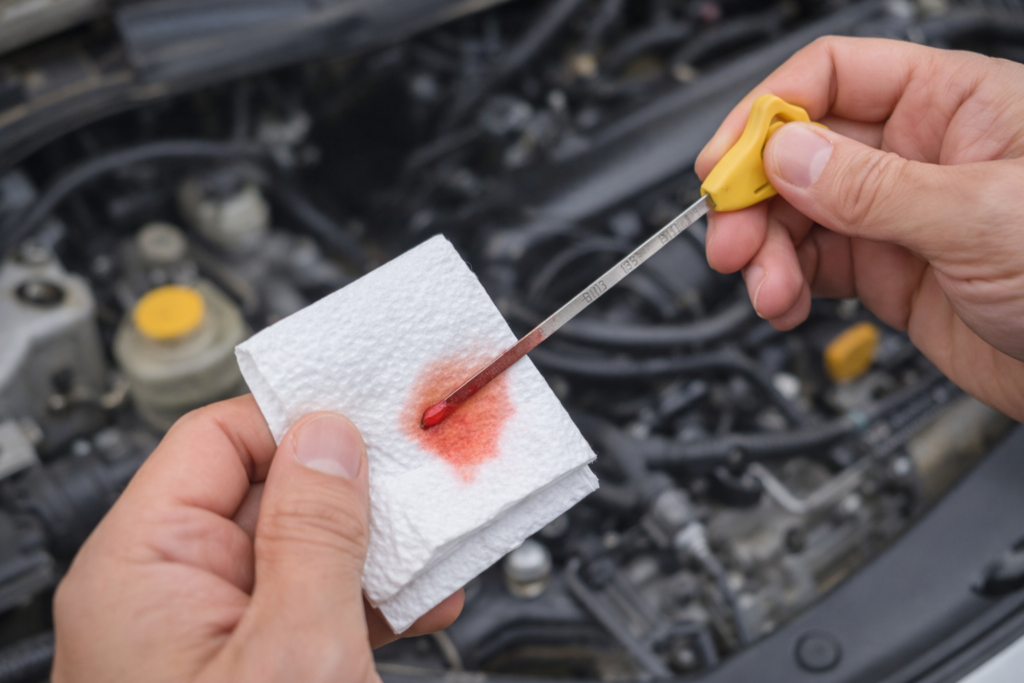
In automatic 2011 Camrys, transmission problems can cause the engine to run at low speeds.
Signs of Torque Converter Failure:
A faulty torque converter solenoid prevents lockup, causing RPM drops and stalling when braking. Symptoms: Shuddering during shifts.
Fluid level checks are essential because low ATF can cause overheating. Flush every 60,000 miles.
Automatic Transmission Diagnostics:
Slipping gears or delayed engagement exacerbate stalling. Scan for P0741 (torque converter clutch circuit).
Repairs may require a solenoid replacement ($200 to $ 400) or a complete rebuild ($2,000+).
Do Weather or Driving Habits Trigger Stalling?
Yes. Weather and driving conditions can contribute to stalling in a Camry.
Also Read: Toyota Camry Gas Type
High Altitude or Load Effects:
At elevations above 5,000 feet, thinner air can cause a lean air-fuel mixture, leading to stalling.
Oil Consumption Links:
Excessive oil consumption in the 2.5L engine can affect sensors and contribute to stalling. Checking oil every 1,000 miles helps prevent this.
Post-Accident Complications:
After an accident, misaligned sensors or damaged wiring may cause stalling and should be professionally inspected.
How Do You Diagnose Camry Stalling Fast?
Accurate diagnosis prevents unnecessary repairs.
Using OBD2 Scanners:
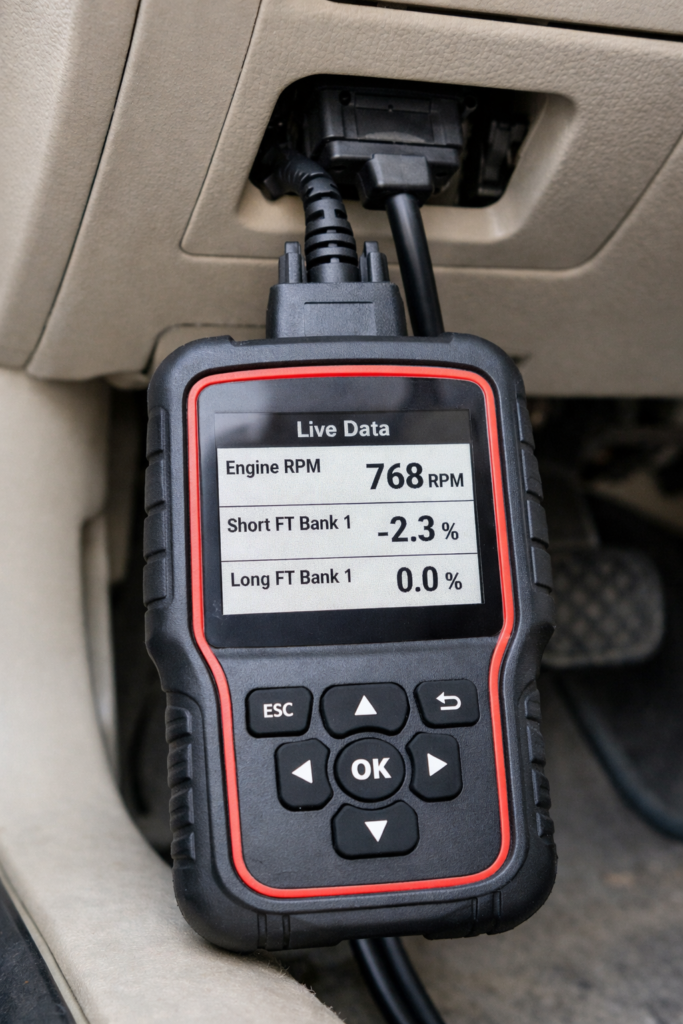
Connect an OBD2 tool to read live data: Monitor RPM, fuel trim, and sensor voltages. Apps like Torque Pro offer advanced graphing for $5.
Standard codes: P0505 (IAC system), P0015 (cam timing).
Basic Home Checks:
Inspect battery terminals for corrosion and the air filter for clogs. No tools needed for initial visual scans.
When to Scan for Codes?
Scan immediately after stalling, even without the lights on, as pending codes may appear.
For OBD2 recommendations, check RepairPal’s diagnostic tools.
Step-by-Step Troubleshooting:
Step 1: Check simple things
Check the battery, air filter, and loose wires.
Step 2: Clean airflow parts
Clean the throttle body and MAF sensor.
Step 3: Scan for codes
Use an OBD2 scanner to check hidden errors.
Step 4: Check fuel pressure
If the problem continues, test the fuel system.
Step 5: Check sensors
Crank and cam sensors may fail without warning.
Follow these steps to fix the Toyota Camry shutting off when stopping without wasting money.
What DIY Fixes Can Stop Camry Stalling?
For advanced users, hands-on repairs save costs.
Cleaning Throttle Body:
Remove the throttle body (4 bolts), spray it with a dedicated cleaner, and perform an idle relearn by cycling the key. Takes 30 minutes; cost: $10.
Watch this tutorial: Toyota Camry Throttle Body Cleaning.
Replacing Sensors:
Swap MAF or crank sensors using basic tools. Ensure OEM parts for compatibility.
Air Filter and Fuel System Care:
Replace filter every 15,000 miles; use fuel injector cleaner quarterly.
When Should You Choose Professional Repair?
When DIY falls short, seek experts.
Cost Breakdowns:
Throttle body cleaning: $100 to 150. Sensor replacement: $200-$300. Complete diagnostics: $100/hour.
| Repair Type | Average Cost | Time Required |
| Throttle Body Clean | $100 to 150 | 1 hour |
| MAF Sensor Replace | $150 to 250 | 30 min |
| Fuel Pump | $400 to 600 | 2 to 3 hours |
| Alternator | $300 to 500 | 1 to 2 hours |
Finding Reliable Mechanics:
Use certified Toyota shops or mobile services like YourMechanic.
How Can You Prevent Future Stall Issues?
Proactive care extends vehicle life.
Routine Checks:
Monthly: Battery voltage, fluid levels. Annually: Full scan.
Mileage-Based Services:
At 100,000 miles: Replace timing sensors and flush transmission.
What Safety Risks Happen During Stalling?
Stalling poses hazards.
What to Do If It Happens:
Shift to neutral, restart, and pull over safely. Avoid highways if recurrent.
What Are Common Mistakes and FAQs?
Many wonder why their car shuts off when stopped, often overlooking a simple buildup of dirt. How to fix low idle? Start with cleaning. What if there is no check engine light, but the car stalls? Sensors may fail silently. Can a bad fuel pump cause stalling at stops? Yes, under low demand.
What Expert Tips Fix Stalling Long-Term?
For the Camry, which stalls at stop signs, integrate OBD2 live data logging during drives. Does the Toyota Camry engine cut off when slowing down? Test the torque converter with stall speed checks. Address the Toyota Camry’s low idle and vibration by using synthetic oils to mitigate consumption-related stalling.
Stalling in the Toyota Camry often stems from throttle, sensor, or fuel issues. Address them systematically for lasting fixes. Key takeaway: Regular diagnostics prevent escalation. Consult a mechanic or try DIY today to ensure smooth drives.
FAQ’s:
Why does my Toyota Camry shut off when stopping?
The most common causes are a dirty throttle body, a faulty sensor, or low fuel pressure. Start by cleaning the airflow parts and checking the battery voltage.
What causes a Toyota Camry to stall at idle?
Vacuum leaks, EGR clogs, or low fuel pressure disrupt the air-fuel balance; diagnose with OBD2 for precise fixes.
Is a dirty throttle body causing my Camry to die?
Yes, buildup restricts air; cleaning with a specialized spray often resolves engine shutdowns at stops.
How to fix low idle in the 2011 Toyota Camry?
Check the air intake and sensors, and perform an idle relearn after maintenance to ensure consistent RPMs.
Why does the engine shut off when slowing down?
Torque converter or alternator failures drop power; test the electrical output to confirm.
Can a bad fuel pump cause stalling at stops?
Absolutely, as it fails to maintain idle pressure (measured in PSI).
Conclusion:
Stalling in a Toyota Camry usually comes from airflow, fuel, or sensor faults, most often a dirty throttle body. Start with simple checks, follow the troubleshooting steps, and fix issues early. Regular cleaning, battery checks, and quick diagnostics prevent repeated stalling and keep your Camry running smoothly and reliably.