Why Is My Tire Pressure Light Blinking Toyota? (Check Now)
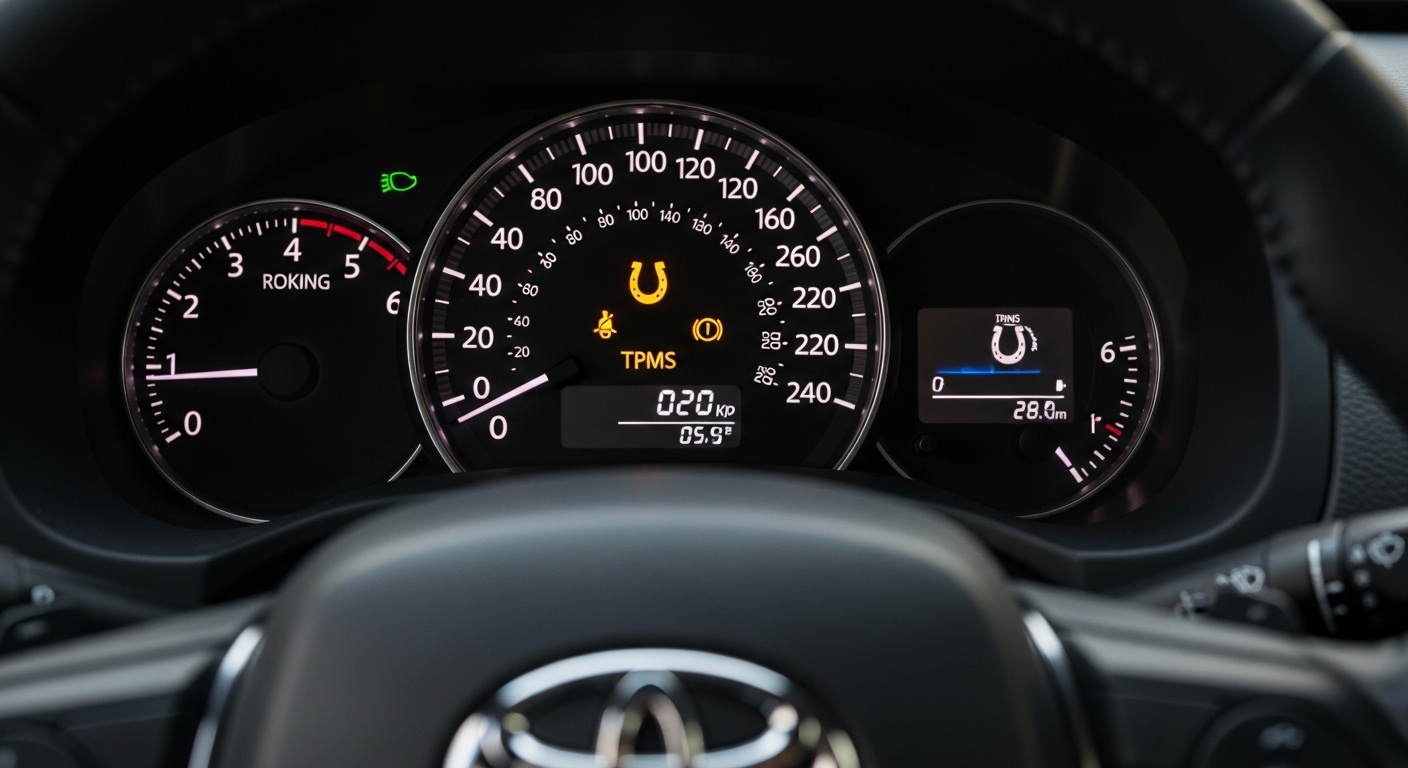
Why is my tire pressure light blinking Toyota? The short answer is simple: a blinking light usually means a Tire Pressure Monitoring System (TPMS) problem, not just low air. When it flashes for about a minute and then stays solid, your car is warning you that something inside the monitoring system is not working properly.
Understanding this early can save you time, money, and unnecessary repairs.
What Does a Blinking TPMS Light Mean on a Toyota?
A blinking TPMS light means the system has detected a fault. It is different from a steady light, which usually means low tyre pressure.
Since 2007, the U.S. TREAD Act has required all passenger vehicles to use a Tire Pressure Monitoring System (TPMS) as a safety compliance feature. That is why this warning light should never be ignored.
In most Toyota models from the early 2000s through 2026, the light will blink for 60–90 seconds and then stay solid if there is a malfunction. This points to a sensor issue, a communication failure, or a low sensor battery, not just low air.
Toyota uses a direct TPMS system, which means each wheel has its own sensor sending radio signals to the vehicle’s computer. If one sensor stops talking, the light blinks first.
NHTSA’s details on the TREAD Act and TPMS requirements.
Why Does the TPMS Light Blink Then Stay Solid?
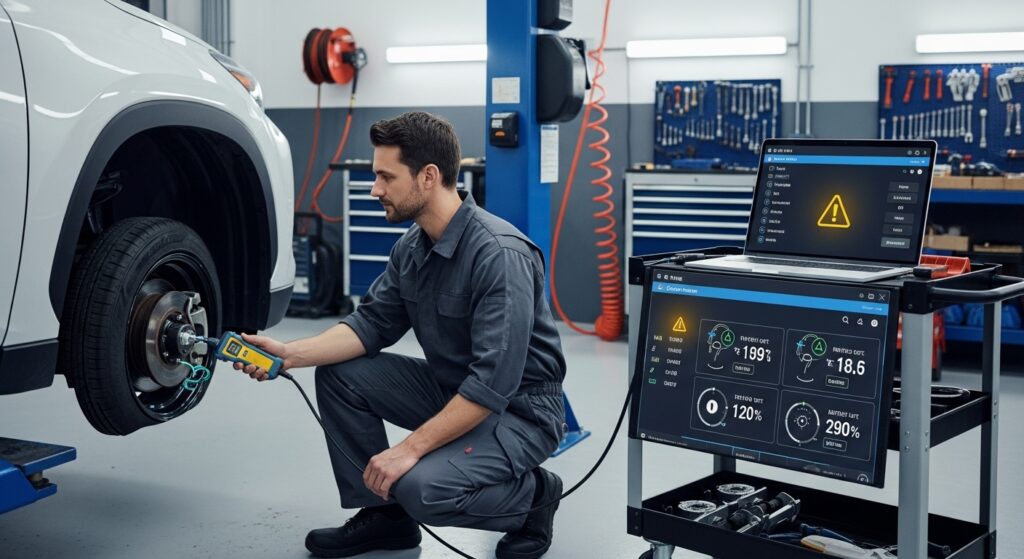
When the light blinks and then stays on, it means the system failed a self-check.
When you start the car, the system checks each wheel individually. If it cannot hear back from a sensor, it throws the blinking warning. I have seen this many times after a tyre change, where one sensor was damaged.
Toyota refers to this as the TPMS malfunction indicator. This pattern is common in models such as the Toyota Corolla, Camry, RAV4, Tacoma, Highlander, and even in newer 2025 to 2026 trims. It usually means a dead sensor battery or a lost signal.
Also Read: 2011 Toyota Camry Issues?
Is a Blinking Tire Pressure Light Different From a Solid Light?
Yes, and this difference matters.
| Light Behavior | What It Means | What To Do |
| Solid light | One or more tyres are low | Check and inflate tyres |
| Blinks then solid | System malfunction | Diagnose sensor/system |
| Blinks continuously | Active communication issue | Scan for trouble codes |
A steady light is usually simple. A blinking light means the system itself has a problem.
This dashboard warning symbol is designed to alert you before tyre damage or safety risks occur.
What Causes a Toyota TPMS Light to Blink?
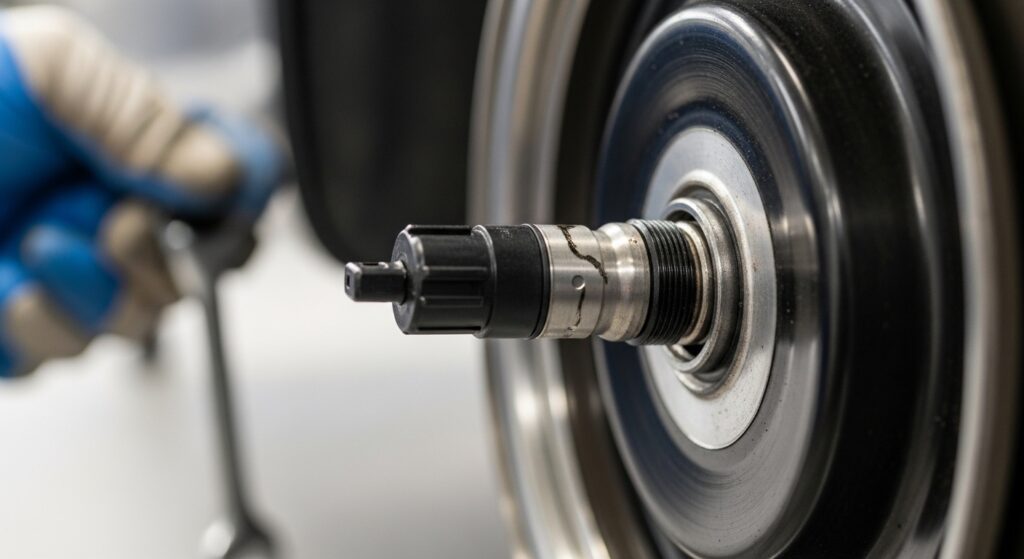
Most blinking issues come from one of these causes:
- Sensor battery is dead (5–10 year lifespan).
- Sensor damaged during tyre change.
- System not relearned after tyre rotation.
- Spare tyre sensor is low (on equipped models).
- Weak 12V battery (common in hybrids).
On Toyota models from 2020 to 2026, auto-relearn is common. But if it fails, the light may blink until manually reset with a scan tool.
Quick tip: If the light blinks immediately after starting the car and stays on every drive, it is almost always a sensor battery failure.
Can Low Tire Pressure Make the Light Blink?
Usually no.
Low pressure causes a steady light, not blinking. However, if pressure is extremely low and a sensor stops transmitting, it can trigger blinking.
In winter, tyre pressure drops about 1 PSI for every 10°F decrease. That is why the light often appears in the morning but disappears later.
How Do I Reset a Blinking TPMS Light on a Toyota?
Why Is My Tire Pressure Light Blinking Toyota? Resetting depends on the model year.
Older Toyota models:
- Use a reset button under the steering wheel.
- Turn the ignition on and hold the button.
2018–2026 Toyota models:
- Inflate tyres properly.
- Drive 10–20 minutes above 25 mph.
- Some models require a scan tool to perform a relearn.
If the sensor battery is dead, no reset will bring it back to life. Replacement is required.
Does a Dead TPMS Sensor Battery Cause the Light to Blink?
Yes. This is the most common reason.
Toyota TPMS sensors use sealed lithium batteries. They last:
| Model Year Range | Average Sensor Life |
| 2007–2015 | 6–8 years |
| 2016–2020 | 7–9 years |
| 2021–2026 | 8–10 years |
You cannot replace just the battery. The entire sensor must be replaced and programmed.
If your Toyota is around 7 years old and the light just started blinking, sensor battery failure is very likely.
Can Cold Weather Trigger a Blinking TPMS Light?
Cold weather mainly causes steady warnings, not blinking.
But extreme temperature swings can:
- Reduce battery performance in older sensors.
- Cause weak signal transmission.
- Trigger communication errors in the early morning.
In northern climates, I often see blinking lights in vehicles with ageing sensors when winter hits hard.
Last winter, I saw three Camry owners come in with blinking lights, and all of them had 8-year-old original sensors that failed as soon as temperatures dropped.
Is It Safe to Drive With a Blinking TPMS Light?
Yes, but diagnose it soon.
If tyres are properly inflated, driving is usually safe. However:
- You would not get accurate pressure warnings.
- A real puncture may go unnoticed.
- Long-term ignoring can cause uneven wear.
I tell customers to check pressure manually with a gauge until the issue is fixed.
How Much Does It Cost to Fix a Blinking TPMS Light on a Toyota?
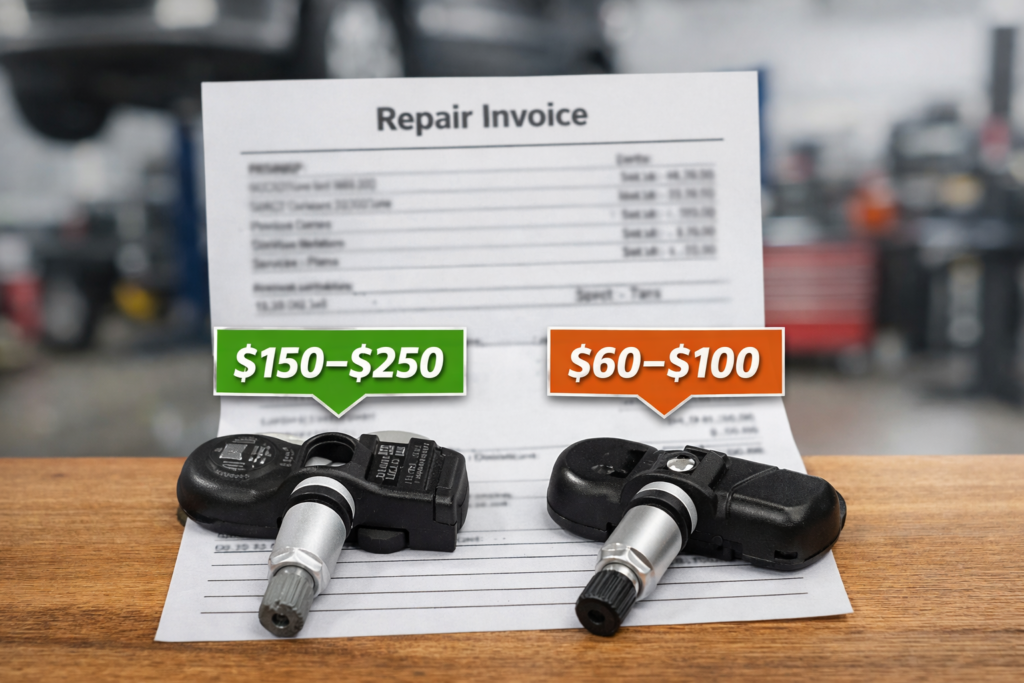
Here is real-world pricing:
| Repair Type | Estimated Cost (USD) |
| Single sensor replacement | $60 to $120 per wheel |
| Sensor + programming | $120 to $200 |
| Full set replacement | $400–$800 |
| TPMS module repair | $500+ |
Dealership prices are higher. Independent shops often charge less for programming.
If your vehicle is 2015 or older, replacing all sensors at once may save future labour costs.
Do Different Toyota Models Have Different TPMS Behaviour?
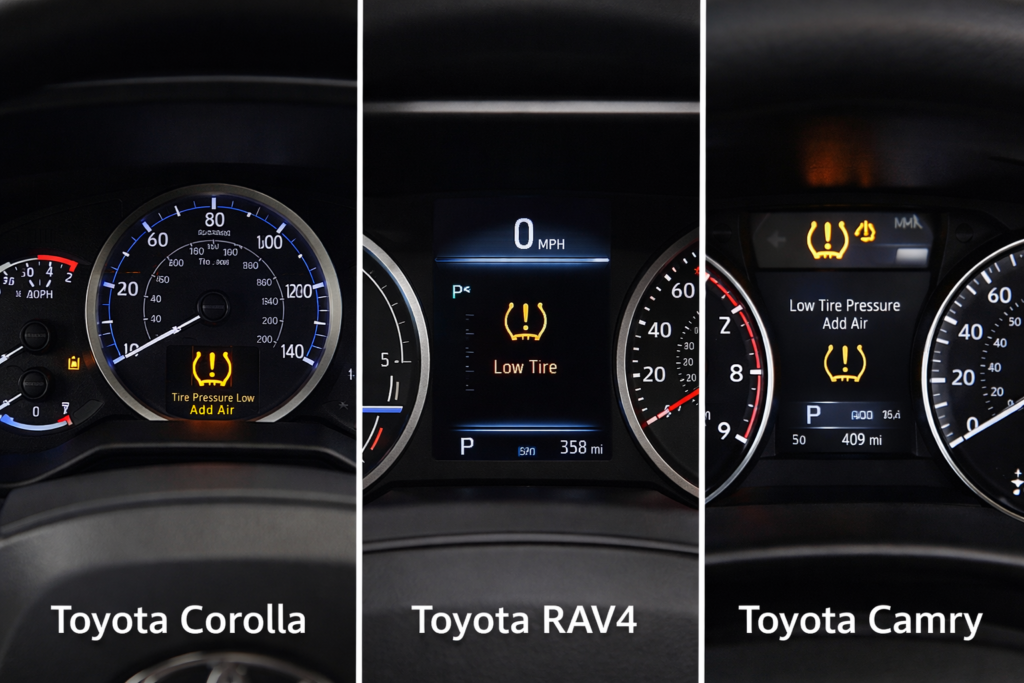
Yes, especially from older models to 2026 models.
Older models:
- Manual reset button.
- Slower signal refresh rate.
2018+ models:
- Auto-relearn feature.
- Faster communication.
- More sensitive diagnostics.
Hybrid models:
- More sensitive to a weak 12V battery.
- Voltage drops can trigger blinking.
Some SUVs and trucks include spare tyre sensors, which many owners forget to check.
Also Read: Is Toyota Camry AWD?
What TPMS Trouble Codes Make the Light Blink?
When scanned with a professional tool, you may see codes like:
- C2121 – Left Front Sensor Issue
- C2122 – Right Front Sensor Issue
- C2123 – Left Rear Sensor Issue
- C2124 – Right Rear Sensor Issue
- C2171 – Low Tire Pressure Initialisation Incomplete
These codes confirm whether the issue is sensor-related or system-related. Basic OBD scanners would not show TPMS codes; you need a tool that supports body control modules.
FAQs:
Can I drive with a blinking TPMS light?
Yes, if your tyre pressure is correct, but fix it soon to restore proper monitoring and safety alerts.
Does a dead TPMS sensor battery cause the TPMS to blink?
Yes, a weak or dead sensor battery is the most common reason for a blinking TPMS light.
Will adding air stop the blinking TPMS light?
No, adding air only fixes a solid warning light, not a system malfunction.
How long do Toyota TPMS sensors usually last?
Toyota TPMS sensors typically last between 5 and 10 years, depending on driving conditions and climate.
What does it mean if the light blinks for one minute, then stays on?
It indicates a system fault, usually a failed sensor or communication error within the TPMS.
Conclusion:
A blinking tyre pressure light usually points to a system fault rather than a simple air adjustment. Most often, it indicates a failing sensor battery or a communication problem. While you can still drive safely after checking tyre pressure, ignoring it over the long term removes a federally required vehicle safety feature. Diagnosing the issue early prevents uneven tyre wear, missed punctures, and unnecessary visits to the dealership. Fix it properly once, and your TPMS will continue protecting you for years.