2012 Toyota Camry: Where to Add Transmission Fluid (Exact Location)
The 2012 Toyota Camry uses a sealed transmission system, which often confuses owners when it comes to adding or checking transmission fluid. Unlike older models, there is no dipstick under the hood, and the process requires a more precise method. If done wrong, it can lead to serious transmission damage or poor performance.
This guide explains exactly where to add transmission fluid and how to add transmission fluid in a simple, practical way.
Transmission Fluid Type & Capacity
The 2012 Toyota Camry uses Toyota WS fluid. Using the wrong type can cause slipping or long-term damage. Capacity depends on whether you drain or fully flush the system.
| Type of Service | Fluid Capacity |
| Drain & Fill | 3.5 to 4.5 quarts |
| Full Flush | 8 to 10 quarts |
I have seen people mix Dexron fluid by mistake transmission starts jerking within weeks.
One small mistake in transmission fluid filling can lead to expensive damage. Always confirm factory instructions before proceeding. 2012 Toyota Camry Owner’s Manual (Official Transmission Guide)
Also Read: How Many Miles Does a Toyota Camry Last?
2012 Camry Transmission Fluid Location
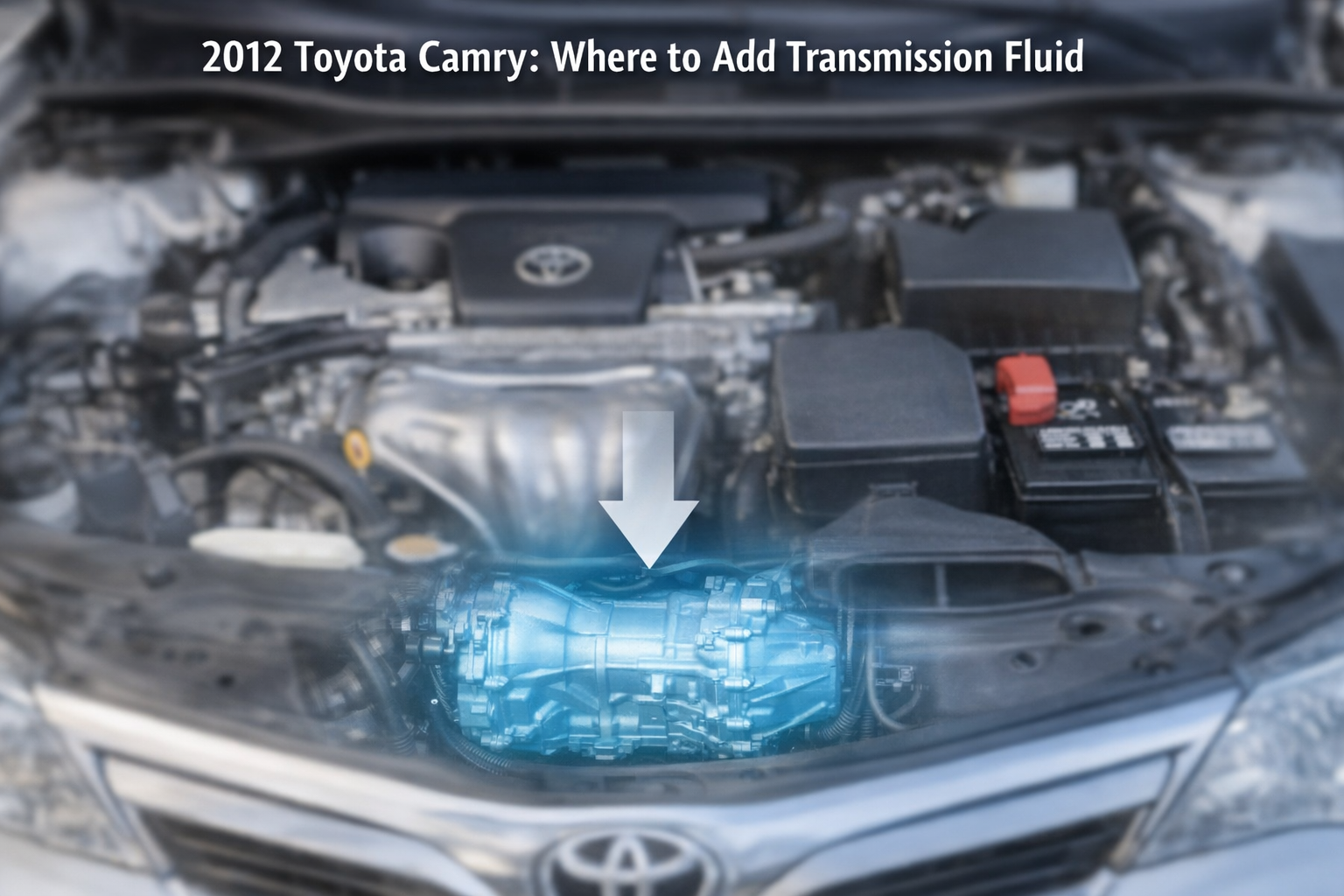
You would not find a traditional dipstick on most 2012 Camry models. Toyota switched to a sealed transmission design, which confuses a lot of owners. The fluid is added through the transmission fill plug location on the transmission
Key Points
- No dipstick in most 2012 Camry trims
- The fill plug sits on the transmission side
- Access is usually from under the car
- Requires level ground for accuracy
This is a common confusion with 2012 models, especially for first-time owners.
Where Do You Put Fluid in a 2012 Camry?
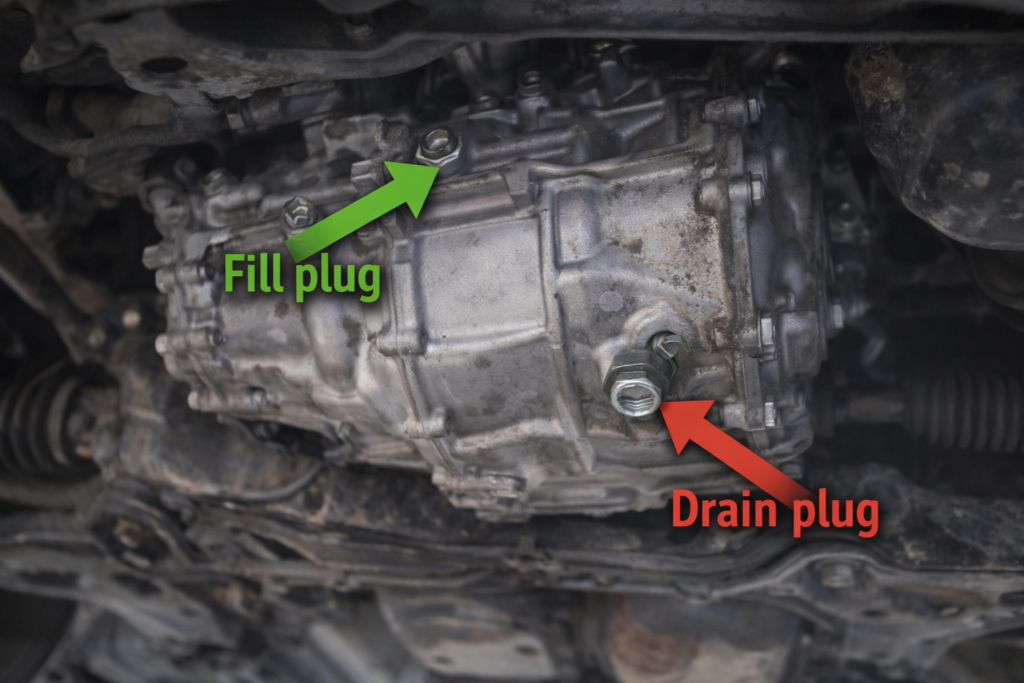
Where to Add Transmission Fluid? In simple terms, you add transmission fluid through the fill bolt on the transmission housing. It is not a top-fill system like engine oil. You will need to lift the car evenly. If it is tilted, the fluid level reading will be wrong, and the fluid is pumped in until it starts to drip out at the correct level. Yeah, it is not beginner-friendly at all.
2012 Toyota Camry Fluid Fill Spot
The fill spot is located on the side of the transmission case. I have seen this mistake many times; people open the wrong plug and drain the fluid instead. It looks like a bolt plug, not a cap. Many people mistake the drain plug for it, which can lead to problems.
Quick Identification
- Side-mounted bolt (not bottom)
- Slightly above the drain plug
- Requires a hex/Allen tool
- No visible funnel opening
Add Transmission Fluid in 2012 Camry
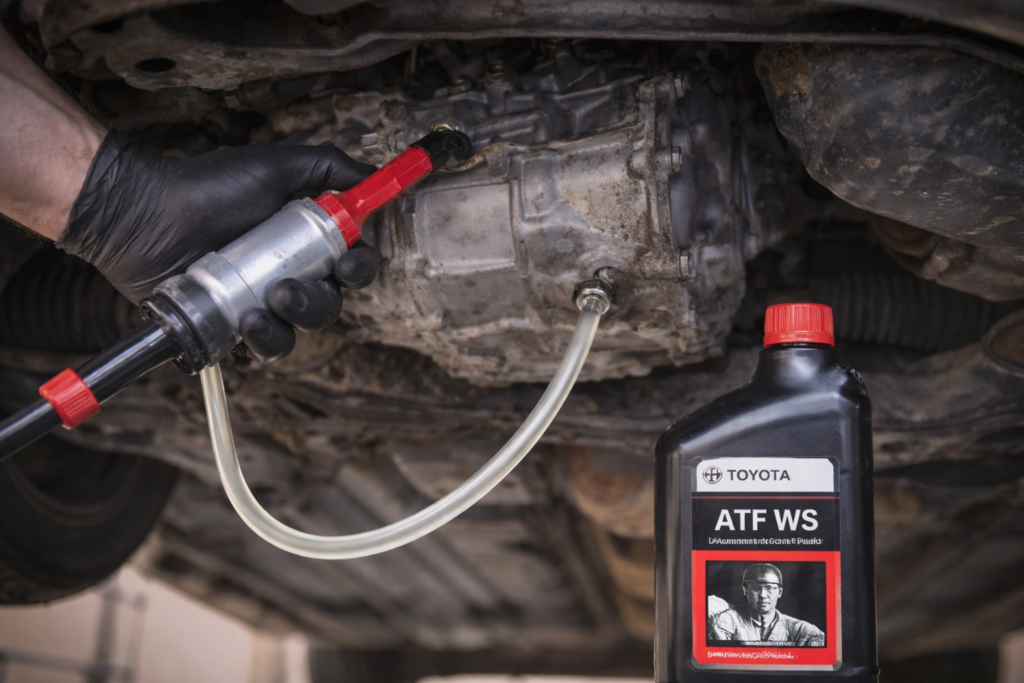
This is where many people go wrong. Adding fluid is not a casual job here. You need a fluid pump. Gravity will not help you here. Also, temperature matters; the fluid level must be checked when the transmission is warm.
Most people do not realize this, but even a small mistake here can affect shifting.
Steps (Simplified)
- Lift the car evenly
- Remove the fill plug
- Pump fluid slowly
- Stop when it starts dripping
2012 Camry Transmission Fluid Fill Point
Toyota designed this system to reduce user error, but ironically, it made DIY harder. The fill point works using an overflow method to set the correct level once fluid spills out slightly; that is your correct level.
Why It Matters
- Prevents overfilling
- Keeps pressure balanced
- Extends transmission life
Exact Spot to Add Fluid in 2012 Toyota Camry
Here is a quick comparison so you do not mix things up:
| Component | Location | Purpose |
| Drain Plug | Bottom of transmission | Removes old fluid |
| Fill Plug | Side of transmission | Adds new fluid |
| Overflow Tube | Inside drain port | Controls level |
This setup is common in Camry models from 2012 up to newer CVT and automatic systems.
2012 Camry Transmission Fluid Check
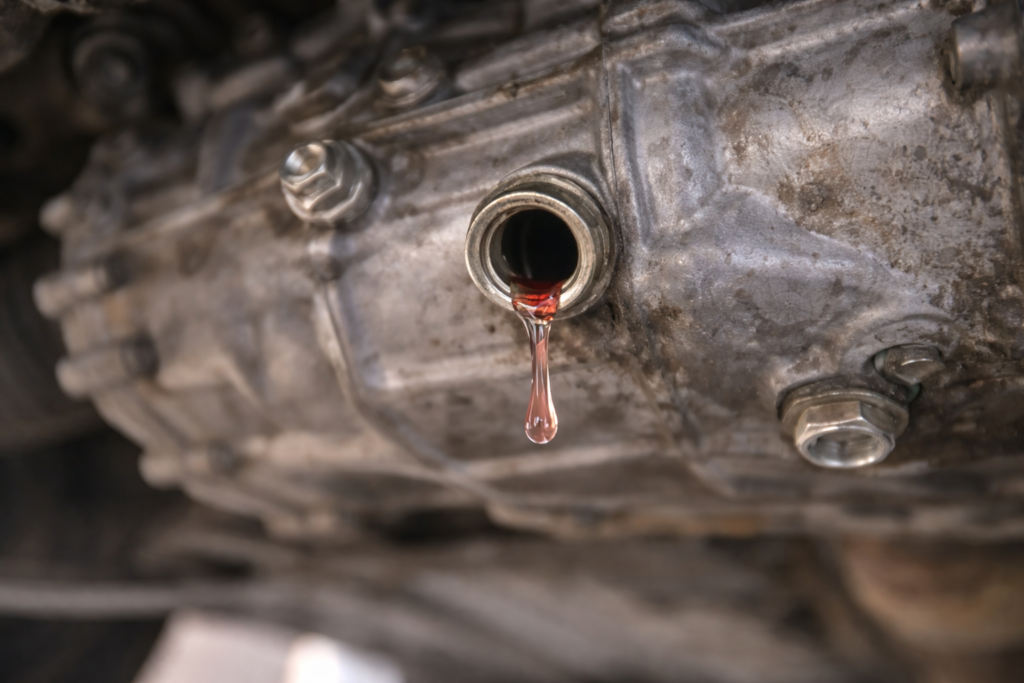
The transmission fluid level check is not done the old way. There is no dipstick. Instead, you verify the level by removing the overflow plug while the engine is running and warm.
How to Check
- The engine must be running
- Transmission at operating temp
- Fluid should slightly drip out
- No drip = low fluid
This part confuses a lot of people because there is no dipstick like in older cars.
Where to Pour Transmission Fluid in a 2012 Camry
You can not just pour fluid from the top. There is no opening. You have to pump it in from the side. That is the key difference. Trying to pour from above will get you nowhere because there is no access point on top.
This design continues in many Toyota models even up to 2026, especially with CVT systems where precision matters more than convenience.
This is where most DIY attempts go wrong.
2012 Toyota Camry Fluid Location
Across model years, here is how Toyota evolved the system:
| Model Year Range | System Type | Fluid Access Method |
| 2007 to 2011 | Traditional Auto | Dipstick (engine bay) |
| 2012 to 2017 | Sealed Auto | Fill plug (under the car) |
| 2018 to 2026 | CVT/Modern Auto | Sealed + overflow system |
The shift was not random. It is about tighter control, fewer mistakes, and longer service intervals, but it does make DIY work less beginner-friendly.
If you are thinking this sounds overcomplicated, you are not wrong. Toyota made it safer for the transmission, not easier for you. If you do not have a pump or proper setup, forcing it can do more harm than good.
Signs Your Camry Needs Transmission Fluid

If you wait too long, damage starts quietly.
Warning Signs
- Rough or delayed shifting
- Gear slipping while driving
- Burning smell from the transmission
- Slight vibration at low speeds
If you notice even one of these, do not delay checking the fluid level.
If your Camry suddenly struggles to start or feels off, it could also be an electrical issue, not just fluid-related.
Also Read: Why 2011 Toyota Camry Shut Off When Stopping?
Common Mistakes People Make
This is where most Camry owners mess up, especially first-time DIYers.
Mistakes to Avoid
- Opening the drain plug instead of the fill plug
- Checking fluid when the engine is cold
- Overfilling thinking more is better.
- Using the wrong fluid type
One small mistake here can cost $1500+ in repairs. It happens more often than you think.
FAQs
Does the 2012 Camry have a transmission dipstick?
Yes, but only in rare early trims; most models come without a dipstick.
Can I add transmission fluid from the top?
No, the system is sealed and requires filling from the transmission side plug.
How do I know if my Camry needs transmission fluid?
Check for rough shifting, delayed gear engagement, or signs of overheating.
What type of transmission fluid does a 2012 Camry use?
Toyota WS (World Standard) fluid is recommended for proper performance.
Should I change the transmission fluid or just top it off?
Yes, full fluid replacement is better than topping off for long-term health.
Conclusion:
Adding transmission fluid in a 2012 Camry is not beginner-friendly, and that is where most people slip up. The sealed system needs the right method, not guesswork. One small mistake. That is all it takes. I have seen people damage their transmission just by overfilling it. If you follow the correct steps and use the right fluid, your transmission will last much longer without expensive repairs.