What Is the Best Year for Toyota Camry? (Buy Smart)
The Toyota Camry has been America’s best-selling sedan for over two decades straight and for good reason. But if you are shopping for one, here is something most people do not realize: not every Camry year is created equal. Some years are rock-solid buys. Others will cost you more in repairs than you ever expected.
This guide breaks it all down from the 1983 originals to the 2026 hybrid-only model so you can buy with confidence.
A Brief History of the Toyota Camry by Generation
1st & 2nd Generation (1983 to 1991) The Originals
The first Camry landed in America in 1983 as a compact, front-wheel-drive sedan with a simple 4-cylinder engine. It was not flashy, but it worked, and it kept working. The 2nd generation (1987 to 1991) grew slightly larger and added a V6 option for the first time. These cars are now collector curiosities and occasional budget finds, but parts availability is thin and daily-driver practicality is limited. Unless you are a Camry enthusiast with a wrench in your hand, skip these and go newer.
3rd & 4th Generation (1992 to 2001) The Reliability Era
This is the era that built the Camry’s legendary reputation. The Camry has been a go-to option for buyers looking for a fuss-free, practical car that is likely to be very reliable, and this generation set that standard firmly. The 3rd gen (1992 to 1996) introduced a smoother ride and a more refined cabin. The 4th gen (1997 to 2001) brought better safety and a more modern design, though some early 1997 to 2001 models had engine sludge issues if oil changes were skipped. These Camrys regularly see 200,000+ miles with proper maintenance and still sell well on the used market today.
5th & 6th Generation (2002 to 2011) The Modern Camry Takes Shape
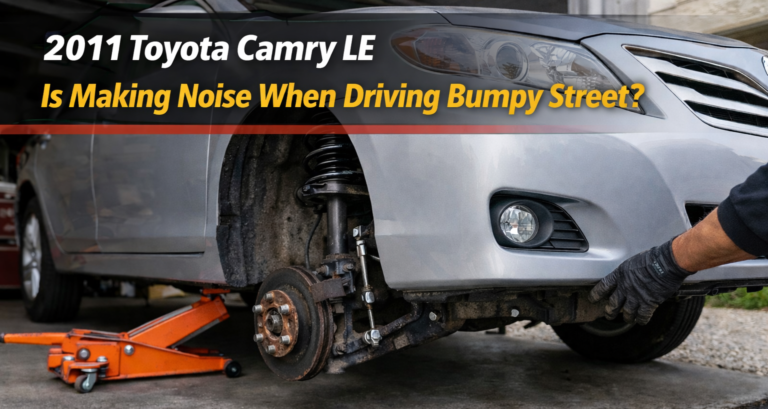
From the fifth generation (2002 to 2006) onward, the Camry gained a bolder design and advanced safety features like side-curtain airbags, maintaining its bestseller status. The sixth generation (2007 to 2011) introduced a hybrid option and further refined its fuel economy and upscale appeal. However, this era also carries one of the biggest red flags in Camry history: the 2007 to 2011 models equipped with the 2.4-liter 2AZ-FE four-cylinder engine consumed excessive oil due to a piston ring design that allowed oil to pass into the combustion chamber. Great features, one serious caveat.
7th Generation (2012 to 2017) Mainstream Refinement
The seventh generation, which Toyota produced from 2012 to 2017, gets the nod for most reliable of all Camry generations. Across that span, these Camrys never clocked more than three NHTSA recalls, and the highest J.D. Power Quality and Reliability Rating reached 92/100 for the 2014 model. The tradeoff? Styling that felt safe rather than bold, and some interior noise at highway speeds. But for pure ownership dependability, this generation is hard to beat, especially the 2015 to 2017 models once early torque converter shudder issues were resolved.
8th Generation (2018 to 2024) The Modern Benchmark
The current eighth generation (2018 to 2024) saw the introduction of the TNGA platform, offering more dynamic handling and advanced safety technology like adaptive cruise control and lane-keeping assist. Toyota Safety Sense became standard across all trims, a genuine game-changer for the class. The 2021 refresh brought updated infotainment with standard Apple CarPlay and Android Auto. Reliability improved in recent years, with newer models scoring an average of 81/100 compared to 73/100 for older years.
What Makes a Toyota Camry Year The Best?
Not every buyer needs the same thing from a Camry. Before we get to the ranked picks, here is how we evaluated each year because the best year genuinely depends on what you value most.
Reliability & Long-Term Dependability
Reliability is the 1 reason people buy a Camry over a competitor. Consumer Reports predicts the 2026 Camry will be more reliable than the average new car, a forecast based on data from the 2025 model. For used buyers, J.D. Power scores and NHTSA complaint data tell the real story. The 7th generation (2012 to 2017) consistently topped reliability surveys. The 2.5L four-cylinder (2012+) and the Hybrid eCVT are the two powertrains most likely to reach 300,000 miles with consistent upkeep.
Safety Features & Ratings
Safety ratings vary significantly across generations. The 8th gen (2018+) was the first to make Toyota Safety Sense standard on every single trim, not just upper grades. That suite includes automatic emergency braking, lane departure alert, radar cruise control, and pedestrian detection. Earlier generations had strong crash test scores but lacked these active systems. For 2026, Toyota Safety Sense 3.0 is standard across the entire range, the most comprehensive safety package the Camry has ever offered.
Value for Money (New vs. Used)
Here is where it gets interesting. 2018 to 2020 models average around $23,173 on the used market, offering proven dependability at accessible pricing, while 2022 to 2023 models provide excellent value, averaging $29,604 to $32,230 with relatively low mileage. The 7th gen sweet spot, 2015 to 2017, sits in the $15,000 to $18,000 range for clean examples, giving you Toyota reliability without the new-car price tag. New buyers should know: a 2026 base Camry starts at $30,295 and goes up to $36,695 for an XSE.
The Best Toyota Camry Years (Ranked & Explained)
If you have been wondering what is the best year for the Toyota Camry, here are the top picks based on real ownership data, not just brand reputation.
Best Overall Year: 2019 Toyota Camry
The 2019 is the sweet spot of the 8th generation — the TNGA redesign debuted in 2018, but the 2019 had early software bugs and transmission hesitation already ironed out. Consumer Reports gave it top reliability marks, Toyota Safety Sense P was standard, and real-world owners regularly report 200,000+ miles without major drama.
Also Read: Are Toyota Camrys Reliable
Best Used Camry for the Money 2021 Toyota Camry
The 2021 Camry hits the sweet spot between modern features and used-market value. Just one NHTSA recall and strong reliability scores make it one of the safest used buys right now.
| Feature | Detail |
| NHTSA Recalls | 1 only |
| Reliability Score | 82/100 |
| Key Upgrades | CarPlay, Android Auto, refreshed infotainment |
| Sweet Spot Price | $24,000 to $27,000 used |
Best Budget Pick 2015 to 2017 Toyota Camry
For buyers on a tight budget, the 2015 to 2017 Camry is the cleanest 7th gen buy; the torque converter shudder from 2012 to 2014 was fully resolved by then. Clean examples sit in the $15,000 to $18,000 range. Always get a pre-purchase inspection before signing anything under $12,000.
Best Camry for Fuel Economy: 2018 to 2022 Camry Hybrid (and the New 2025 to 2026)
The 2021+ Camry Hybrid hits 52 MPG combined, and hybrid batteries typically last 150,000 to 200,000 miles, far longer than most buyers expect. For 2025 to 2026, Toyota went hybrid-only, with the new Camry LE delivering 51 MPG combined and AWD models holding at 50 MPG.
Toyota Camry Years to Avoid
2007 to 2009 Camry Oil Consumption Issues
This is the most documented problem in Camry history. The 2AZ-FE engine’s defective piston rings caused owners to burn through a quart of oil every 1,000 to 1,500 miles, and engines seized when nobody caught it in time. Toyota issued a TSB in 2011, but many vehicles were already out of warranty. If you are looking at one today, demand full service records proving the fix was done.
Also Read: Toyota Camry Oil Consumption Fix?
2013 Camry Transmission Shudder Problems
The 2013 sits in a tricky spot — it scores well on paper, but torque converter shudder was most frequently reported this year. The shudder hits at 30 to 45 mph and feels like driving over rumble strips. Repair costs ranged from $150 for a fluid service to $3,500 for a full replacement. Toyota addressed it via a software update, but always confirm the fix was done before buying.
Toyota Camry Reliability by Engine Type
2.5L 4-Cylinder: The Workhorse
The 2AR-FE and later 2.5L engines introduced in 2012 are the backbone of Camry reliability. The 2.5L four-cylinder (2012+) is one of the two powertrains most likely to reach 300,000 miles with consistent upkeep. Real-world examples are everywhere: taxi fleets, Uber drivers, and high-mileage commuters all gravitate toward this engine for a reason. Change your oil on schedule (every 5,000 miles with full synthetic), and this engine barely breaks a sweat past 200,000 miles.
Hybrid Drivetrain Surprisingly Durable
Toyota’s hybrid system has earned its reputation through years of real-world proof. The Hybrid eCVT eliminates clutch packs, torque converters, and traditional gear sets — the parts that wear out fastest in a conventional automatic. That means one of the biggest failure points in a regular car simply does not exist here. The 2026 Camry runs Toyota’s fifth-generation hybrid system with a lithium-ion battery lighter and more energy-dense than the old nickel-metal hydride packs. Properly maintained, these batteries last well beyond 150,000 miles.
Expert Tips for Buying a Used Toyota Camry
Must-Do Pre-Purchase Checklist
Do not hand over a check until you have done these three things:
- Run a VIN report through Carfax or AutoCheck; look for accident history, flood damage, and whether it’s been a rental or fleet vehicle
- Check open recalls at NHTSA.gov; the oil consumption TSB and torque converter issues are searchable by VIN
- Get a pre-purchase inspection from a Toyota-specialist mechanic; ask about oil consumption, transmission behavior, and hybrid battery health
A $150 inspection can save you from a $3,500 transmission job. No exceptions.
How Many Miles Is Too Many?
Well-maintained Camrys can reach 300,000 miles or more, though poor maintenance can significantly shorten the lifespan. The real question is not the mileage number; it is the maintenance history behind it. A 150,000-mile Camry with full service records is a safer buy than a 90,000-mile one with no paperwork and unknown oil habits.
| Mileage | Risk Level | What to Watch |
| Under 60,000 | Low | Routine inspection |
| 60,000 to 120,000 | Moderate | Torque converter, water pump, transmission fluid |
| 120,000 to 180,000 | Medium | Hybrid battery check, suspension wear |
| 180,000+ | Higher | Full drivetrain inspection, timing components |
For hybrids specifically: most Camry Hybrid batteries last 8 to 10 years or 150,000 to 200,000 miles under normal driving conditions, so a well-kept 2015 Camry Hybrid at 140,000 miles still has meaningful battery life left.
FAQ
What year Toyota Camry is the most reliable?
The seventh generation (2012 to 2017) is the most reliable Camry generation overall, with the 2014 model earning a J.D. Power Quality rating of 92/100. Among recent years, the 2022 Camry tops the reliability index with a score of 84/100, followed closely by 2024 at 83/100 and 2021 at 82/100.
Is a 2019 Toyota Camry a good buy?
Yes, the 2019 is one of the strongest used buys right now. Early 8th-gen issues from 2018 were already fixed, Consumer Reports gave it top reliability marks, and Toyota Safety Sense P came standard. Strong value at current used-market pricing.
What are the worst years for the Toyota Camry?
The 2007 to 2009 models are the ones to avoid — defective piston rings causing severe oil consumption that cost owners thousands. The 2012 to 2014 generation had torque converter shudder, and the 2018 gas model had early transmission hesitation. The 2018 Camry scores the lowest reliability rating at 65/100 among recent years.
How many miles can a Toyota Camry last?
A well-kept Camry realistically hits 250,000 to 300,000 miles. Oil change frequency and transmission fluid service every 60,000 miles are the two biggest factors. The 2.5L 4-cylinder and hybrid eCVT are your best bets for maximum lifespan.
Is it worth buying a Toyota Camry with over 150,000 miles?
Yes, if the service records back it up. A 150,000-mile Camry with documented oil changes and no transmission complaints is a safer buy than a 90,000-mile one with zero paperwork. Budget $200 to $300 for a Toyota-specialist inspection before you commit.
Which is better: Camry 4-cylinder or V6?
For most buyers, the 4-cylinder wins; it is lighter, more fuel-efficient, and just as durable past 200,000 miles. The V6 suits heavy haulers and highway drivers who want extra pull. Note: the 2025 to 2026 Camry dropped both options and went hybrid-only at 225 hp, splitting the difference cleanly.
Conclusion
The Toyota Camry earns its reputation, but the year you pick matters more than most buyers realize. For best overall reliability, go with a 2019 to 2022. On a budget, the 2015 to 2017 generation is hard to beat. Just avoid the 2007 to 2009 oil-burning years, get a pre-purchase inspection, and you will likely drive this car well past 200,000 miles.