What Type of Car Is a Toyota Camry? (Find Out Now)
If you have ever searched what type of car is a Toyota Camry and ended up more confused than before, you are not alone. People mix up compact, midsize, full-size, sedan, and crossover all the time, and car brands do not always make it easy.
This guide gives you the exact classification, body style, size numbers, and real-world context so you know precisely what kind of vehicle you are dealing with before you buy or compare.
What Type of Car Is a Toyota Camry?
The Short Answer: Midsize Sedan
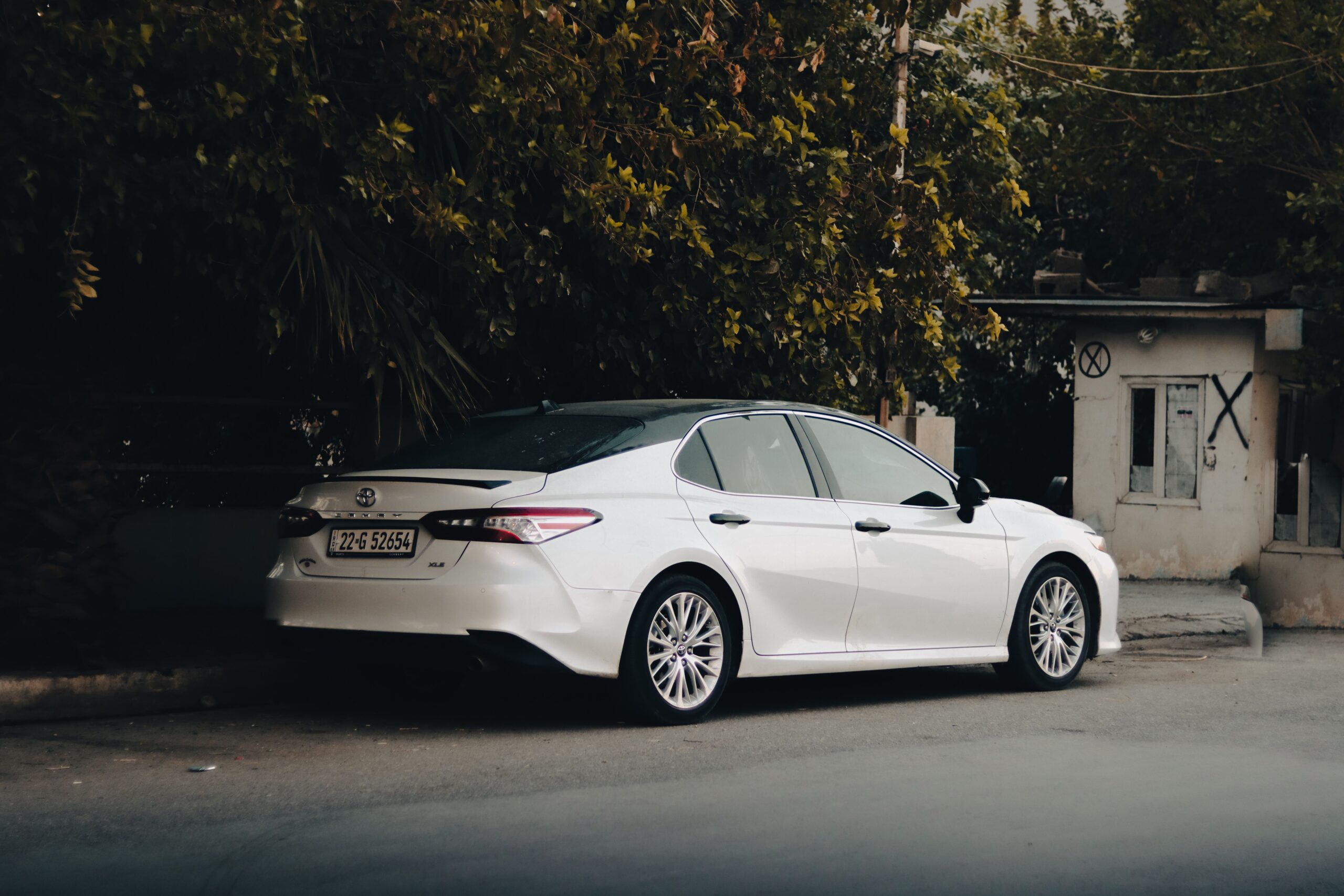
The Toyota Camry is a midsize sedan. It seats five passengers, has a traditional four-door body with a separate enclosed trunk, and comes standard with front-wheel drive. Every 2026 Camry trim runs on a hybrid powertrain, but the vehicle class stays the same: midsize sedan, full stop.
Read Guide: Is a Toyota Camry a Full Size Vehicle?
What Does Midsize Sedan Actually Mean?
A midsize sedan sits in the middle of the passenger car size ladder, bigger than a compact but smaller than a full-size. The EPA defines size classes based on interior passenger and cargo volume, not just overall length. The Camry clears the 110 cubic foot threshold that separates compact cars from midsize ones, which is why it carries the midsize label officially.
Think of it this way: the Toyota Corolla is the compact below it, and the now-discontinued Toyota Avalon was the full-size above it. The Camry has always lived in the middle, roomy enough for a family road trip, small enough to park without stress in most city garages.
Toyota Camry Body Style: What Does It Look Like?
Sedan Body Style Explained
A sedan has three defining features: four doors, a fixed roof that runs all the way to the rear of the car, and a separate enclosed trunk that is structurally distinct from the passenger cabin. The Camry checks all three. That separate trunk is actually what makes a sedan different from a hatchback, where the rear window lifts with the cargo door as one piece.
Compare it to other body styles and the difference becomes clear fast:
- SUV: Taller ride height, often available with third-row seating, higher ground clearance; the Camry has none of these
- Hatchback: Integrated trunk/rear window that opens as one door; the Camry trunk is separate
- Coupe: Two doors, shorter roofline; the Camry has four doors
- Crossover: Built on a car platform but with SUV-style height; the Camry sits low like a traditional car
What Size Class Is the Toyota Camry?
Is the Camry a Compact or Midsize Car?
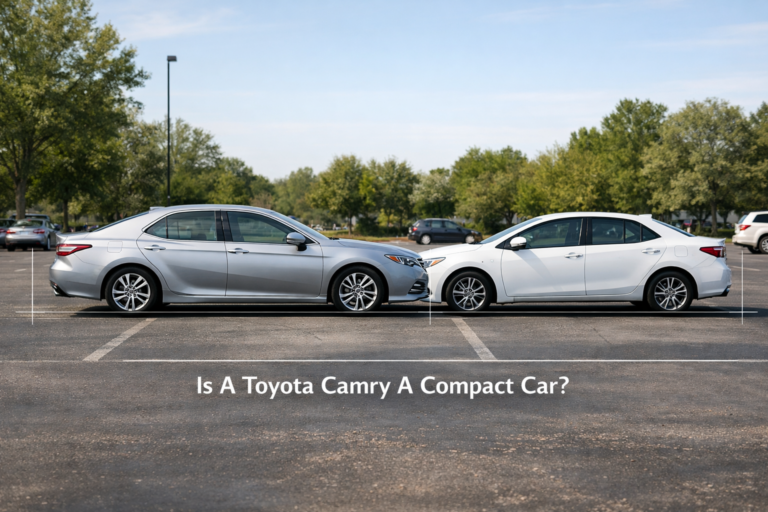
The Camry is officially classified as a midsize car by the EPA, not compact. Here are the verified 2026 dimensions that put it firmly in midsize territory:
| Spec | Toyota Corolla (Compact) | Toyota Camry (Midsize) |
| EPA Class | Compact Car | Midsize Car |
| Length | 182.3 inches | 193.5 inches |
| Wheelbase | 106.3 inches | 111.2 inches |
| Width | 70.1 inches | 72.4 inches |
| Trunk Space | 13.1 cu ft | 15.1 cu ft |
| Rear Legroom | 34.8 inches | 38 inches |
That 11-inch length difference and nearly 4 extra inches of rear legroom are what most buyers actually feel in the real world, especially anyone sitting behind a tall driver.
Is the Toyota Camry Considered a Full-Size Car?
No. The Camry is midsize, not full-size. This is one of the most common misconceptions buyers run into, partly because the Camry feels substantial and well-built compared to smaller sedans. Full-size sedans like the Dodge Charger or the discontinued Toyota Avalon are noticeably longer, wider, and heavier. The Camry’s 193.5-inch length puts it solidly in midsize territory; a full-size sedan typically starts closer to 200 inches or above.
What Category of Vehicle Is the Toyota Camry?
Is the Camry a Family Car?
Yes, and it has been one of the best-selling family sedans in the US for decades. The 2026 Camry seats five, offers 15.1 cubic feet of trunk space, and comes standard with Toyota Safety Sense 3.0 on every trim that includes automatic emergency braking, lane-centering assist, and adaptive cruise control. The 60/40 split-folding rear seat adds versatility for longer cargo. It is not a minivan, but for a family of four doing school runs, weekend trips, and daily commutes, the Camry handles all of it without asking for much back.
Is the Toyota Camry a Luxury Car?
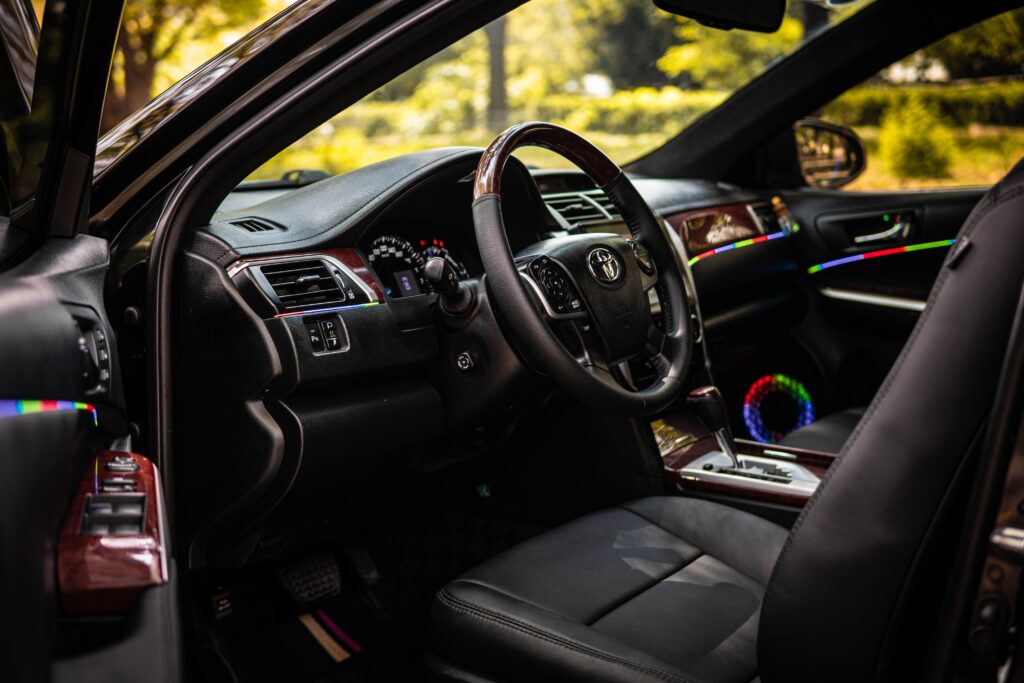
No, the Camry sits in the mainstream, mass-market segment, not the luxury segment. That said, upper trims blur the line more than they used to. Here is how it stacks up honestly:
| Vehicle | Segment | Starting Price (2026 est.) |
| Toyota Camry XSE | Mainstream | $35,500 |
| Lexus ES 350 | Entry Luxury | $43,000 |
| BMW 3 Series | Entry Luxury | $46,000 |
| Honda Accord | Mainstream | $30,000 |
The XLE and XSE trims come with leather seating, a 12.3-inch digital display, and available heated and ventilated front seats features you would expect in entry-level luxury. But the brand positioning, dealer experience, and resale comparisons all place the Camry firmly in mainstream territory.
Is the Toyota Camry a Sports Car?
No. The Camry is a comfort-oriented family sedan, not a sports car. The TRD trim adds sport-tuned suspension, a rear spoiler, and blacked-out styling, but 0 to 60 in around 7.1 seconds does not compete with actual sports cars. Dedicated sports cars like the Mazda MX-5 Miata or Ford Mustang GT reach 60 mph significantly faster; the gap in real-world performance is substantial enough that the TRD trim belongs in a completely different category. The TRD is the sportiest the Camry gets, and it is still a sedan built for comfort first.
Toyota Camry Drivetrain & Powertrain Type
Is the Toyota Camry a Hybrid or Gas Car?
Starting with the 2025 model year, every Toyota Camry sold in the US is hybrid-only; there is no longer a non-hybrid gas option. The 2026 Camry runs on Toyota’s fifth-generation hybrid system, paired with a 2.5-liter 4-cylinder engine. Output is 225 horsepower with FWD and 232 horsepower with AWD.
Before 2025, buyers could choose between a standard gas engine or a hybrid variant. That choice is gone now. Here is the quick history:
- Pre-2025: Gas (2.5L 4-cyl or 3.5L V6) or hybrid available
- 2025 to 2026: Hybrid-only, all trims
- Hybrid type: Self-charging (not a plug-in); no charging cable needed; the battery charges through regenerative braking and the gas engine
This is worth clarifying because hybrid means different things in different cars. The Camry hybrid does not plug in. You fill it up at a regular gas station exactly like any other car; the hybrid system just makes every gallon go further.
How Does the Toyota Camry Compare to Other Vehicle Types?
The question of what type of car is a Toyota Camry often really means: should I get this instead of something else? Here is the honest side-by-side:
| Feature | Toyota Camry (Midsize Sedan) | Midsize SUV (e.g., RAV4) | Compact Sedan (Corolla) |
| Ride Height | Low (sedan) | Higher (SUV-style) | Low (sedan) |
| Cargo Space | 15.1 cu ft trunk | 37 to 40 cu ft (RAV4, varies by year) | 13.1 cu ft trunk |
| Fuel Economy | Up to 51 mpg combined | Up to 39 mpg combined | Up to 50 mpg combined |
| Starting Price | $29,000 | $31,000 | $23,125 |
| Ground Clearance | 5.7 inches | 8.4 inches (RAV4) | 5.3 inches |
| Best For | Commuters, families, highway | Off-road, cargo, towing | Budget buyers, city driving |
The Camry loses on cargo volume and ground clearance compared to an SUV, but wins clearly on fuel economy and driving feel on paved roads. Against the Corolla, it wins on space and power but costs more to buy and insure.
Also Read: Which Is Better Toyota Corolla or Toyota Camry?
FAQs
Is a Toyota Camry a sedan or a coupe?
The Toyota Camry is a sedan; it has four doors and a separate enclosed trunk. Toyota discontinued the Camry Solara coupe and convertible variants after 2008, so every Camry sold since then has been a four-door sedan with no coupe option in the current lineup.
What segment does the Toyota Camry belong to?
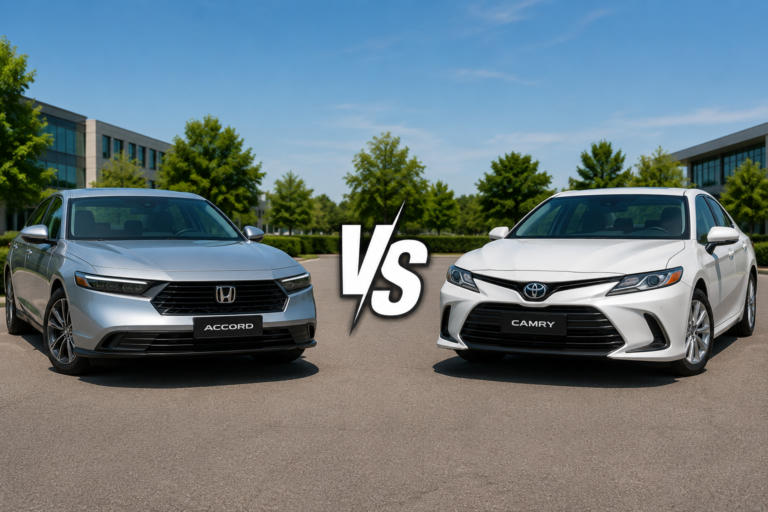
The Camry belongs to the midsize sedan segment, the same segment as the Honda Accord, Nissan Altima, Hyundai Sonata, and Mazda 6. It competes directly against those models on price, features, and reliability, and has outsold most of them consistently for over two decades in the US market.
Is the Toyota Camry classified as a passenger car?
Yes. The Toyota Camry is classified as a passenger car, specifically a midsize passenger car by the EPA. This distinguishes it from trucks, SUVs, vans, and crossovers, which carry different federal classifications for fuel economy and emissions reporting purposes.
What is the difference between a Toyota Camry and a Toyota Corolla?
The Camry is a midsize sedan; the Corolla is a compact sedan. The Camry is 11 inches longer, offers nearly 4 more inches of rear legroom, has a larger trunk (15.1 vs 13.1 cubic feet), and delivers more power. The Corolla starts about $6,000 cheaper and is easier to park. Same brand, same reliability reputation, just built for different needs and budgets.
Is the Toyota Camry good for highway driving?
Yes, and this is arguably where it performs best. The longer wheelbase and heavier chassis give the Camry a planted, stable feel at highway speeds that smaller cars cannot match. The hybrid powertrain also hits its peak efficiency on the highway; the 2026 Camry Hybrid gets 49 mpg highway, which is exceptional for a midsize sedan and makes long-distance driving genuinely cost-effective.
Conclusion
The Toyota Camry is a midsize sedan officially classified that way by the EPA, built that way by Toyota, and priced that way in the market. It is not a compact, not a full-size, not a luxury car, and not an SUV. What it is is one of the most proven, practical, and fuel-efficient midsize sedans available in 2026, now running exclusively on a hybrid powertrain that makes it more efficient than ever without requiring a charging cable. If a spacious, reliable, highway-capable daily driver is what you need, the Camry has been answering that question for over 40 years, and the 2026 version makes a stronger case than most.