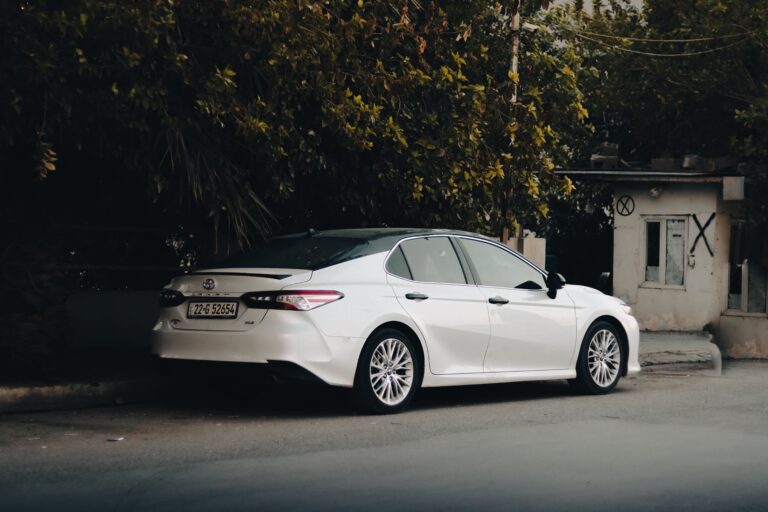
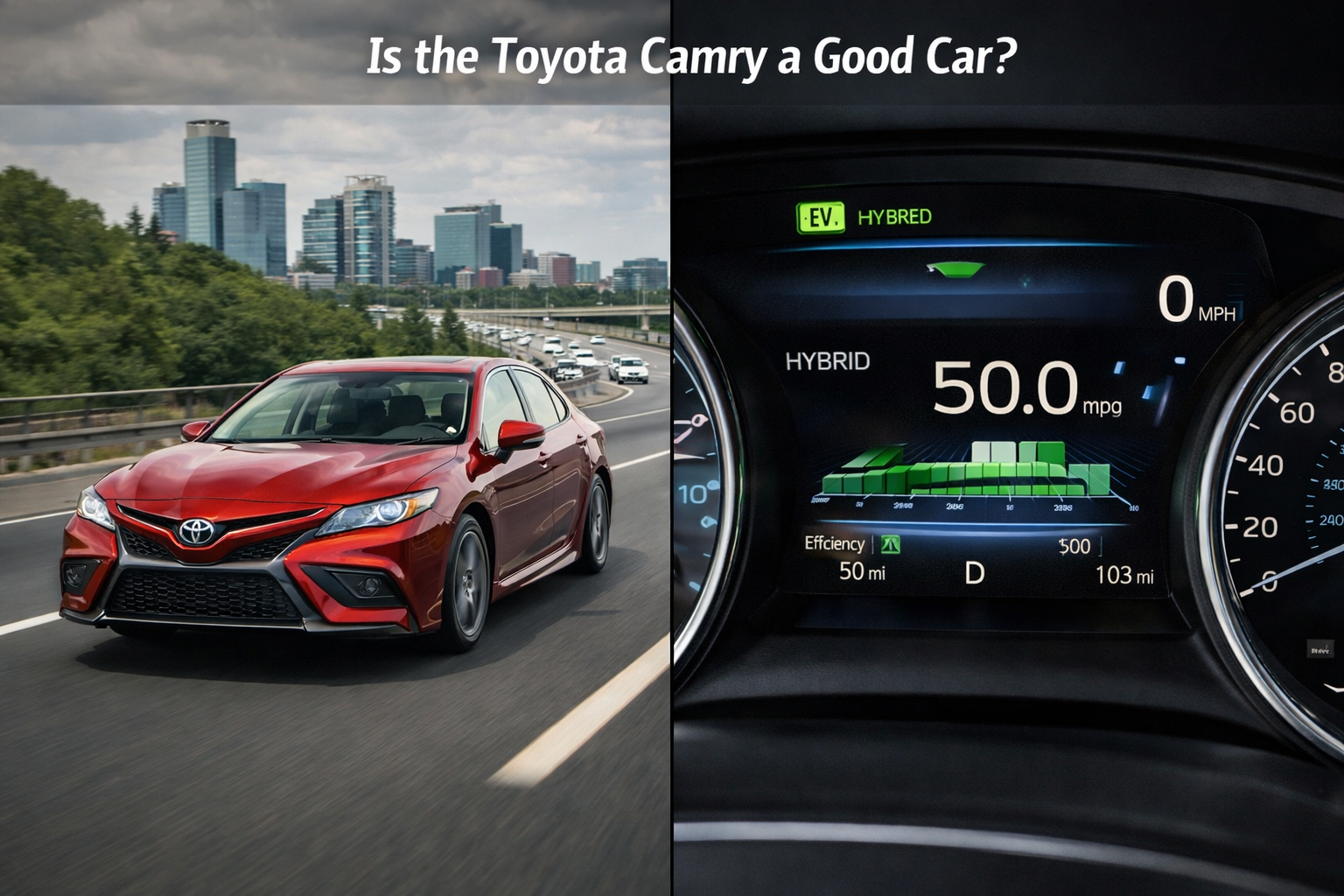
Is the Toyota Camry a Good Car? Worth Buying?
Is the Toyota Camry a Good Car? The short answer: yes, but not for everyone. The Camry is known for reliability, comfort, and low-stress ownership. If you want a car that just works every day without drama, it is a strong choice. But if you want excitement or luxury feel, you may feel underwhelmed.
This guide breaks down why the Camry is worth considering, explores common issues, and compares it to competitors, helping you decide if it is the right car for your needs.
Quick Verdict:
Buy the Toyota Camry if you want a reliable, low-maintenance daily car that lasts for years with minimal issues.
Avoid it if you want sporty driving, a luxury feel, or a car that feels exciting.
Best For: Daily commuters, families, long-term ownership
Not Ideal For: Driving enthusiasts, luxury seekers
Is the Toyota Camry reliable long-term?
Yes, the Camry is one of the most reliable sedans you can buy. It is built to last with fewer breakdowns compared to most competitors.
- The engine and transmission have been proven over the years
- Fewer major repairs compared to rivals
- Strong reputation for durability
Real-world data shows many Toyota Camry models reaching 200,000 to 300,000 miles with proper maintenance, especially models with naturally aspirated engines and traditional automatic transmissions.
Read our detailed guide on: Are Toyota Camrys Reliable
Why the Toyota Camry is so reliable
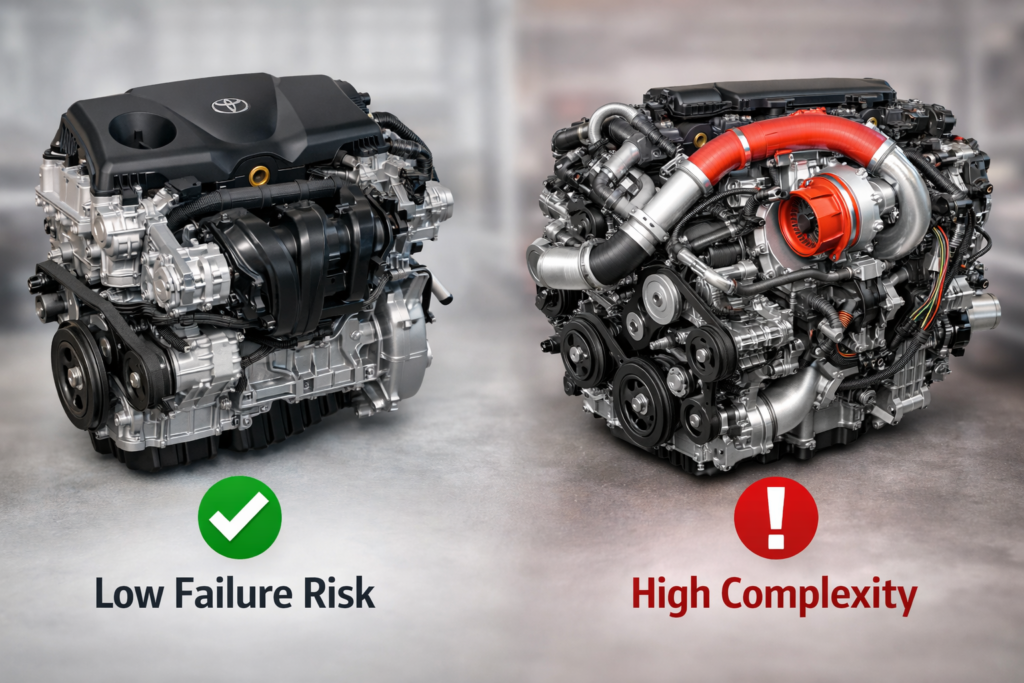
The Camry’s reliability comes from simple and proven engineering choices.
- Naturally aspirated engines instead of complex turbo systems
- Traditional automatic transmissions instead of CVTs in older models
- Long-term tested components used across multiple Toyota models
This reduces failure points and makes repairs easier and cheaper over time. The Camry consistently ranks among the most reliable midsize sedans in long-term ownership reports and industry reliability studies.
Is the Toyota Camry worth buying in 2025?
In 2025, the Camry is even more appealing because of its hybrid focus and updated tech. It offers better fuel economy and smoother driving than older models.
If your priority is low running cost and daily comfort, it still makes sense. But if you want something sporty or flashy, there are better options.
Detailed Toyota Camry reliability and ownership review
Best and Worst Toyota Camry Model Years:
Not all Toyota Camry model years are equal. Some are exceptionally reliable, while others have known issues.
Best Model Years:
2012 to 2017: Proven reliability, simple engines, fewer tech issues
2018 to 2024: Modern design, improved safety, better fuel efficiency
Worst Model Years to Avoid:
2007 to 2009: Known oil consumption issues
2010 to 2011: Minor transmission and engine complaints
If buying used, choosing the right model year matters more than mileage.
How long does a Toyota Camry last?
A well-maintained Camry can last between 200,000 and 300,000 miles. That is far above average for most cars in this category.
- Expected lifespan based on usage:
- Regular maintenance: 250k to 300k miles
- Poor maintenance: 150k to 200k miles
- Mostly highway driving: Often lasts longer
How much does a Toyota Camry cost to own?
Owning a Camry is cheaper than many midsize sedans over time. It does not just save money on fuel, but repairs are also predictable.
Estimated yearly ownership costs:
- Maintenance: $300 to $600
- Fuel (Hybrid): Low
- Insurance: Moderate
- Repairs: Low
Want to know the real cost behind owning a Camry? This breakdown shows what buyers usually underestimate.
Also Read: How Much Is a Toyota Camry?
5-Year Cost of Ownership Real Estimate:
Over 5 years, the Toyota Camry has remained one of the most affordable midsize sedans to own.
Estimated 5-Year Costs:
- Maintenance: $1,500 to $3,000
- Fuel (Hybrid): Significantly lower than gas cars
- Repairs: Low due to reliability
- Depreciation: Slower than most competitors
Total ownership cost stays predictable, which is a major advantage over less reliable vehicles
Is the Toyota Camry expensive to maintain?
The Toyota Camry is not expensive to maintain compared to most cars in its class. The Toyota Camry stays cheap to maintain because it avoids overly complex engineering. Most models use proven engine designs and widely shared Toyota parts, which reduces both labor time and repair costs. Unlike some competitors, it rarely suffers from major system failures, which is why long-term maintenance remains predictable instead of unpredictable.
Routine maintenance, such as oil changes, brake service, and basic repairs, is generally affordable, and the car is less likely to experience unexpected breakdowns. As a result, most owners experience stable, low-maintenance expenses without sudden repair bills, making it a reliable and budget-friendly option for long-term ownership.
Does the Toyota Camry hold its value?
Yes, the Camry has strong resale value because people trust it. Even after years, demand stays high in the used market.
| Car Model | Depreciation Rate |
| Camry | Slow |
| Altima | Faster |
| Malibu | Faster |
This makes it a smart long-term investment.
How does the Toyota Camry perform daily?
The Camry is built for smooth daily driving, not aggressive performance.
- Smooth acceleration
- Stable handling
- Quiet cabin
It is made for comfort, not speed.
Is the Toyota Camry comfortable for long drives?
Yes, this is one of its biggest strengths. Many drivers prefer it for highway travel because it reduces fatigue. Road noise is controlled, especially in newer models.
Is the Toyota Camry fun or boring to drive?
The Toyota Camry is generally more boring than fun to drive because it is designed for comfort rather than excitement. The steering feels safe and predictable instead of sporty, and the engine delivers smooth acceleration but lacks thrill. If you actually enjoy driving and want something more engaging, a car like the Honda Accord will feel more responsive and dynamic on the road.
What problems does the Toyota Camry have?
No car is perfect, and the Camry has a few known issues, though most are minor rather than serious. Some older models may show slight transmission hesitation, especially during gear changes. The infotainment system in base trims can feel outdated compared to newer competitors, and road noise can be noticeable at higher speeds. However, these issues are generally not major deal-breakers and do not significantly affect the car’s overall reliability or ownership experience.
From a mechanic’s perspective, most Camry issues are minor because the car avoids high-stress components like aggressive turbocharging or complex dual-clutch systems. This is why even when problems appear, they are usually easier and cheaper to fix compared to many competitors.
Real Owner Experience (What People Do not Tell You)
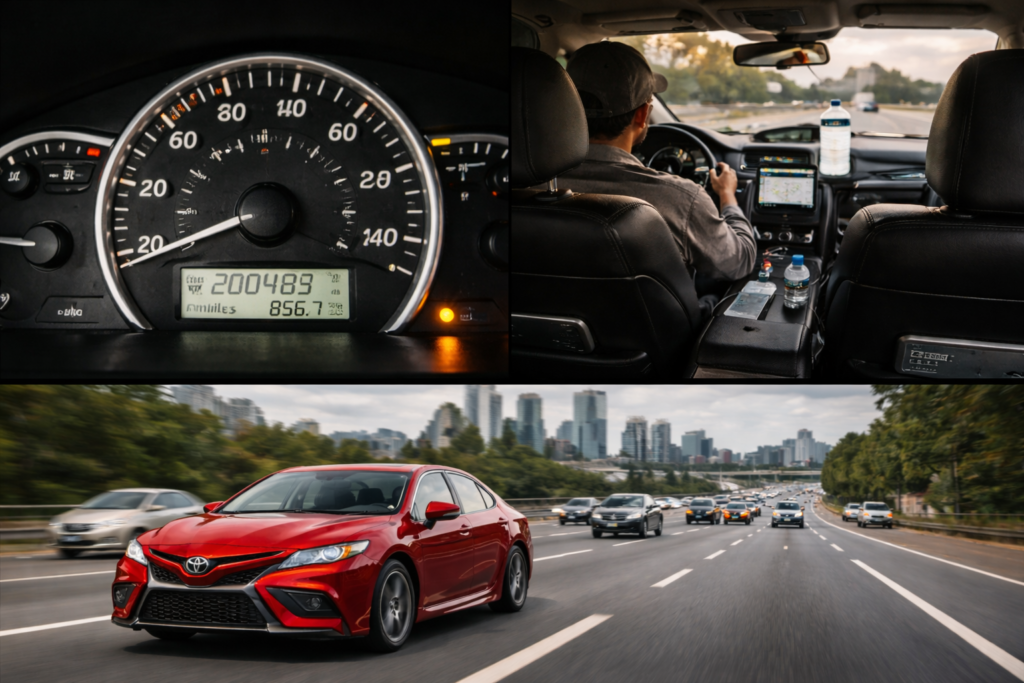
Most reviews highlight reliability, but real-world ownership reveals a more balanced picture.
What owners like:
- Extremely low maintenance stress
- Predictable long-term reliability
- Smooth and comfortable driving
What owners complain about:
- Driving feels dull compared to competitors
- The infotainment system feels outdated in base trims
- Not as premium as expected at higher trims
The truth is simple: If you expect excitement, you will be disappointed. If you want a car that never gives you headaches, this is exactly what it delivers.
What are the disadvantages of the Toyota Camry?
The Toyota Camry does have a few downsides that may matter depending on what you expect from a car. It is not designed for excitement, so driving enthusiasts may find it dull and lacking engagement behind the wheel. In lower trims, the interior can feel basic compared to rivals, especially when you expect a more premium touch at its price point.
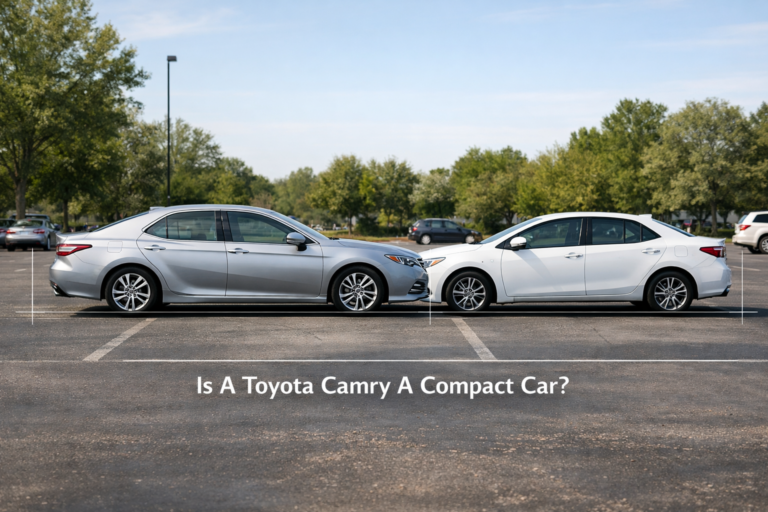
Additionally, it can be more expensive than compact cars, which may not suit buyers on a tighter budget. While these drawbacks do not impact its reliability, they can affect the overall driving and ownership experience.
Who should buy a Toyota Camry?
The Toyota Camry is a great choice for people who want a simple, reliable, and stress-free car for daily use. It suits daily commuters who need consistent performance, families looking for comfort and space, and anyone planning to keep their car for many years without dealing with frequent repairs. It is also a popular option for Uber and taxi drivers because of its durability and low running costs.
Who should avoid buying a Toyota Camry?
However, it is not the right fit for everyone. If you enjoy sporty driving or want a car that feels exciting and engaging, the Camry will likely disappoint. It also may not satisfy buyers looking for a premium or luxury interior experience. Additionally, if you are on a very tight budget, there are cheaper options available. In short, the Camry focuses on practicality and reliability, not performance or luxury.
Toyota Camry vs Honda Accord vs Toyota Corolla Quick Decision:
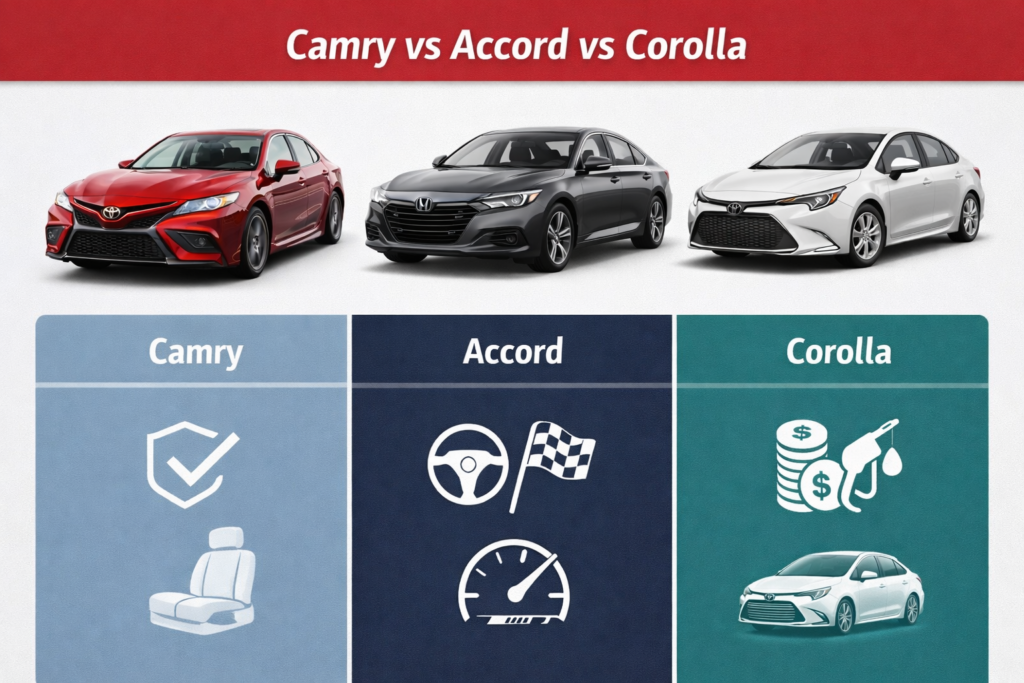
Choose Camry if:
You want maximum reliability and comfort for daily use
Choose Accord if:
You want a better driving feel and slightly more engaging performance
Choose Corolla if:
You want a cheaper, smaller car with excellent fuel efficiency
The Camry sits in the middle: more comfortable than Corolla, more reliable-feeling than Accord, but less fun to drive.
- If you want the safest long-term choice → Camry
- If you want the best driving experience → Accord
- If you want the lowest price → Corolla
For most buyers who just want a dependable car without thinking too much, the Camry is usually the safest overall choice.
Is the hybrid Toyota Camry better than gas models?
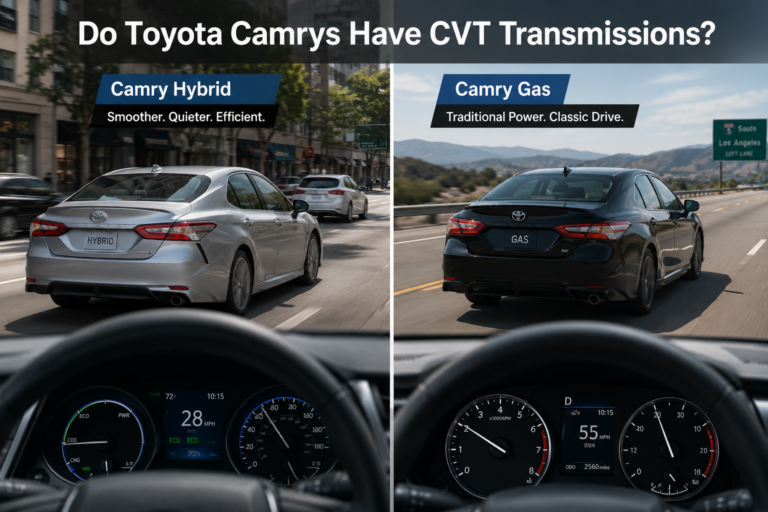
Yes, for most people, the hybrid is the smarter choice now. The Toyota Camry hybrid offers significantly better fuel economy, often around 50 MPG, along with a smoother and quieter driving experience compared to traditional gas models. Over time, this translates into noticeably lower fuel costs, especially for daily commuters and long-distance drivers.
In addition, modern hybrid systems are more refined and reliable than before, making them a practical long-term option. Unless you strongly prefer the feel of a conventional engine, the hybrid version delivers better overall efficiency and everyday usability.
Toyota Camry Hybrid Battery Replacement Cost
One common concern with hybrid models is battery replacement cost.
Average hybrid battery replacement cost ranges between $2,000 to $4,000, depending on model year and location.
However:
- Most batteries last 8 to 15 years
- Failure rates are low
- Fuel savings often offset long-term cost
For most buyers, the hybrid remains a cost-effective option despite battery concerns.
Is buying a sedan like the Camry still worth it?
Even though SUVs are dominating the market, sedans like the Camry continue to make practical sense for many drivers. They offer better fuel efficiency, are easier to handle in tight city traffic, and provide more stability on highways due to their lower center of gravity. If you do not need extra cargo space or higher ground clearance, a sedan remains a smart and efficient choice.
Should you buy a Toyota Camry or not?
Buy it if you are:
- A daily commuter who wants reliability
- A family needing comfort and space
- Planning to keep the car for many years
Avoid it if you are:
- Someone who enjoys sporty driving
- Looking for a luxury interior and a premium feel
- On a very tight budget
- This car is built for practicality, not passion.
If your goal is stress-free ownership, the Camry is one of the safest choices available today.
FAQs
Is the Toyota Camry reliable?
Yes, it is one of the most reliable sedans with proven engine and transmission durability.
Is the Camry hybrid worth buying?
Yes, hybrid models offer better fuel economy and lower running costs than gas versions.
How much does it cost to maintain a Camry?
Maintenance is moderate, with predictable yearly costs and widely available spare parts.
Can the Camry compete with luxury sedans?
It is comfortable and reliable, but lacks luxury features and sporty performance.
Is the Camry exciting to drive?
No, it focuses on comfort and smooth driving rather than sportiness or thrill.
Conclusion:
The Toyota Camry is a practical, reliable, and low-stress car ideal for commuters, families, and long-term owners. Its strong resale value, hybrid efficiency, and comfortable ride make it a smart choice, though drivers seeking performance or luxury may want to explore other options. Overall, the Camry balances cost, durability, and daily usability.