What Engine Does a Toyota Camry Have? (Engine Guide)
The Toyota Camry has changed a lot over the years, especially after Toyota shifted the lineup toward hybrid technology. Older Camry models offered both 4-cylinder and V6 engines, while the newest versions focus mainly on fuel-efficient hybrid powertrains. Some owners still search for information on engine size, horsepower, and reliability, and whether the Camry still offers a V6 option.
In this guide, you will learn what engine the latest Toyota Camry uses, how much horsepower it makes, whether AWD is available, and how the Camry performs in everyday city and highway driving.
What Engine Comes in the Toyota Camry Today?
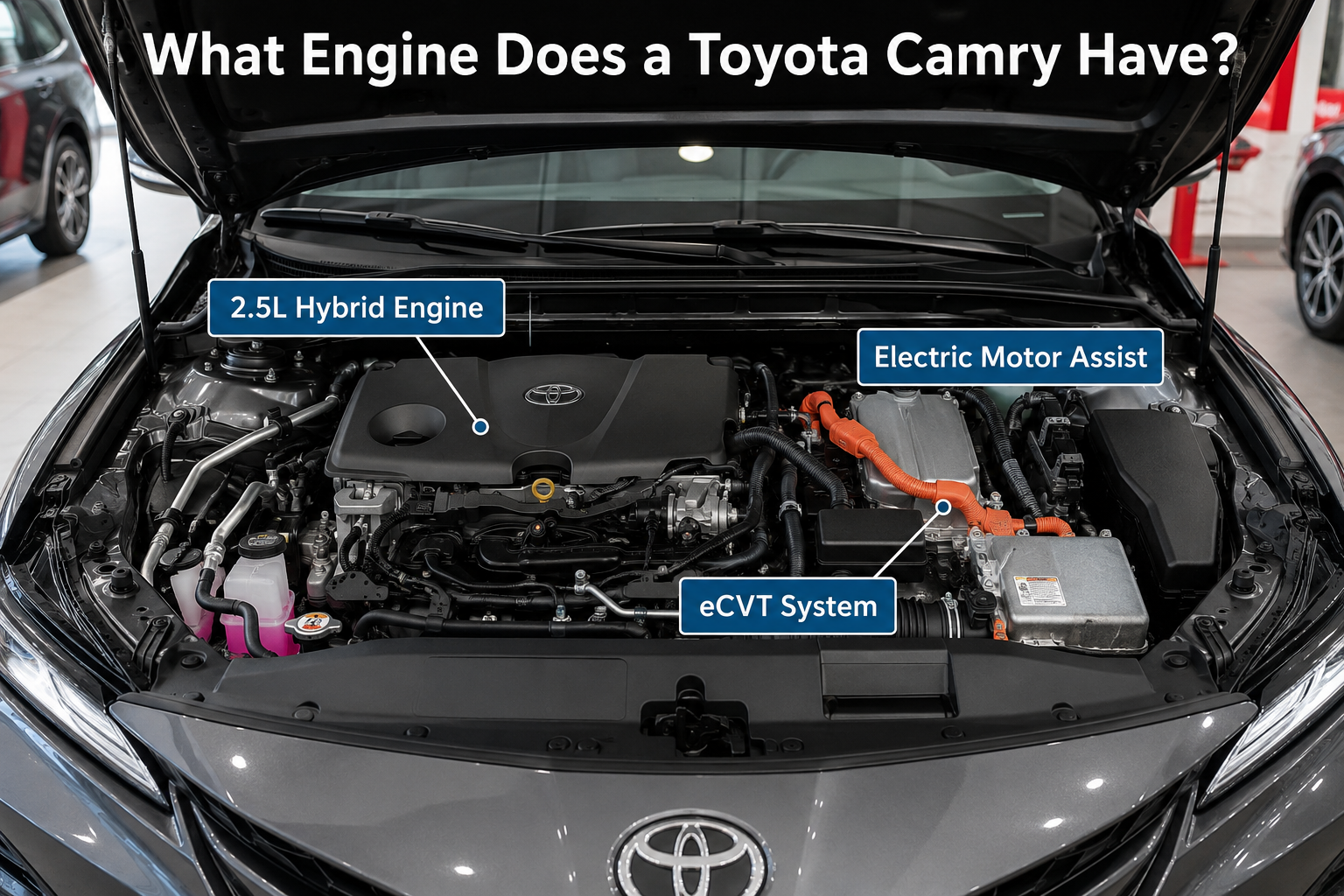
The latest Toyota Camry is powered by a 2.5-liter 4-cylinder hybrid engine paired with Toyota’s fifth-generation gas-electric system. Instead of offering several engine choices like older models, Toyota now focuses more on fuel economy, smoother acceleration, and lower emissions.
In most daily driving situations, the electric motor helps the gasoline engine during takeoff and stop-and-go traffic. In city traffic, most commuters notice that the newer electrified setup feels smoother and quieter than older gasoline-only Camrys.
| Current Camry Engine | Type |
| 2.5L 4-cylinder | Hybrid powertrain |
| Electric motor | Assists acceleration |
| eCVT transmission | Standard |
Also Read: What Is EV Mode on a Toyota Camry?
Recent Camry models combine a gasoline engine with electric motors to improve fuel economy without making the car feel weak during daily driving. In real traffic, the engine can switch quietly between gas and electric power depending on speed, acceleration, and road conditions. For many drivers, the mix of fuel economy and smooth daily driving is the biggest reason the Camry still sells so well.
Is the Toyota Camry now a hybrid only?
Yes. The newest Toyota Camry lineup is now hybrid-only in many markets, including the latest North American models. Toyota removed the standard gasoline-only version to focus on efficiency and lower emissions.
For Drivers upgrading from older models, the change is not as dramatic as it sounds. The car still feels normal during daily driving, but fuel economy is much better compared to older non-hybrid Camry versions.
Did Toyota Remove the Camry V6 Engine?
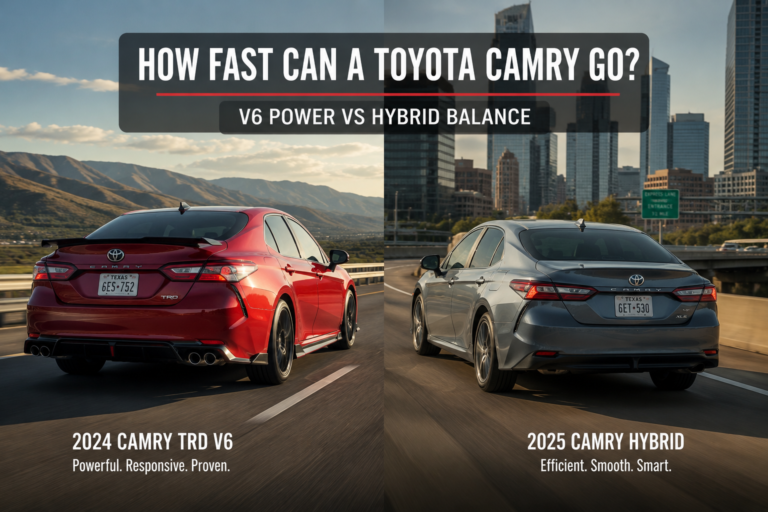
Yes, Toyota discontinued the Camry V6 engine in the latest generation. Older trims like the XSE V6 and TRD previously used a 3.5-liter V6 known for strong acceleration and smooth highway performance.
Many enthusiasts still prefer the old V6 because of its sound and power delivery. However, Toyota shifted toward hybrid systems because stricter emissions rules and fuel economy targets are becoming more important worldwide.
Does the Camry Use a 4-Cylinder or V6 Engine?
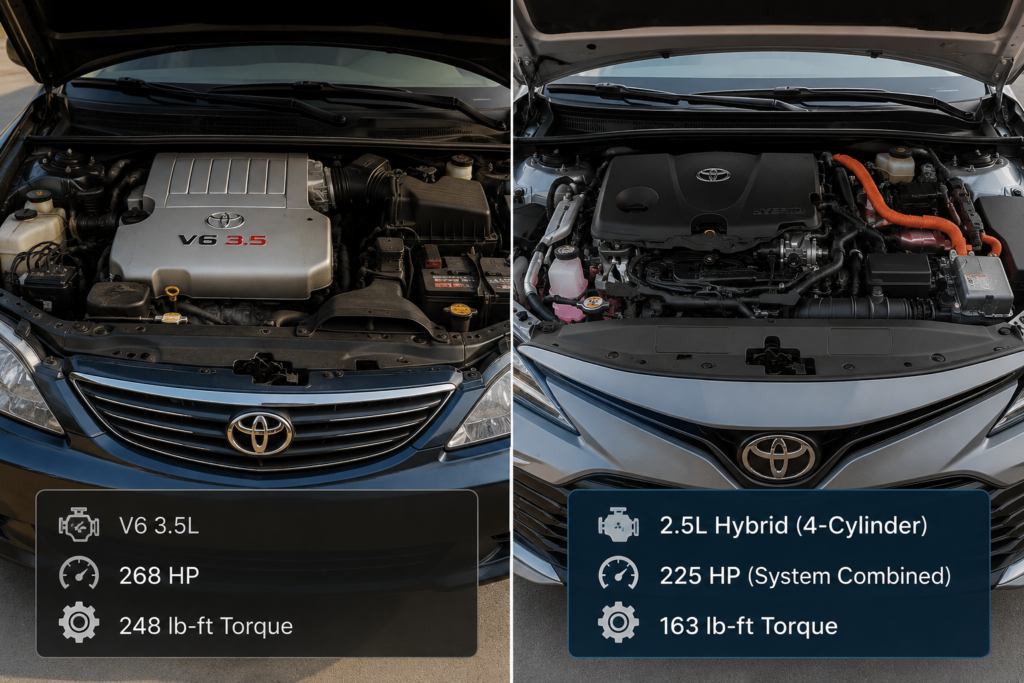
Today’s Camry mainly uses a 4-cylinder hybrid setup. Older models offered both 4-cylinder and V6 engines, depending on trim level and model year.
| Camry Generation | Engine Options |
| Older models | 4-cylinder + V6 |
| Recent models | Hybrid 4-cylinder |
| Performance trims (older) | 3.5L V6 |
Drivers upgrading from older V6 Camrys often notice the newer powertrain still feels quick in city driving because electric motors provide instant torque from low speeds.
How Powerful Is the Toyota Camry Engine?
The newest Camry hybrid produces around 225 to 232 horsepower, depending on drivetrain configuration. AWD versions usually produce slightly higher combined output.
New Camry owners will find the power more than enough for highway merging and normal daily driving. In real driving, the electric motor helps the car feel quicker from a stop than some older gasoline-only sedans.
Also Read: How Fast Can A Toyota Camry Go?
How Does the Camry Hybrid Engine Work?
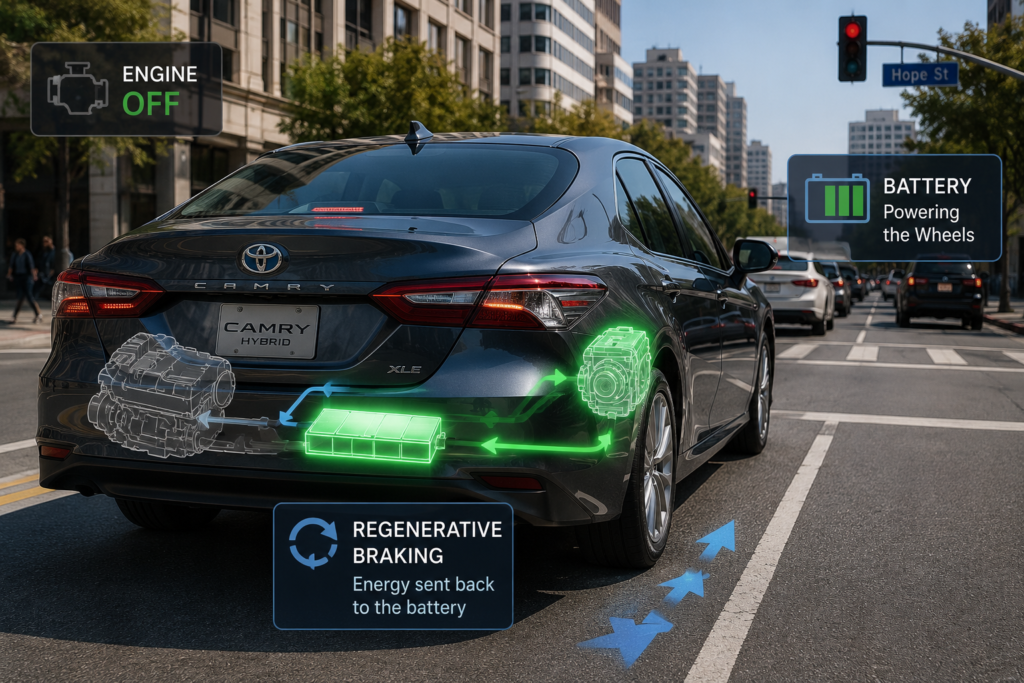
The electrified Camry combines a gasoline engine, battery pack, electric motors, and an electronically controlled transmission. The system automatically changes between electric power and gasoline power depending on driving conditions.
During slow traffic, the car may use mostly electric power. Under stronger acceleration, both the engine and electric motor work together to improve performance and efficiency.
What the System Does Automatically
- switches between gas and electric power
- Recharges the battery during braking
- helps improve fuel economy in traffic
- reduces engine workload at lower speeds
Some first-time Toyota hybrid system owners even think the engine stalled the first few times this happens because the cabin becomes unusually quiet.
What Transmission Does the Toyota Camry Use?
The latest Camry hybrid uses an eCVT transmission. Unlike a traditional automatic gearbox, it does not shift through fixed gears in the normal way.
This setup helps the engine stay in an efficient power range more often. Some drivers say it feels smoother in traffic, while others notice the engine sound stays steady during hard acceleration.
| Transmission Type | Used In |
| eCVT | Hybrid Camry |
| 8-speed automatic | Older gasoline models |
Does the Camry Actually Feel Quick on the Road?
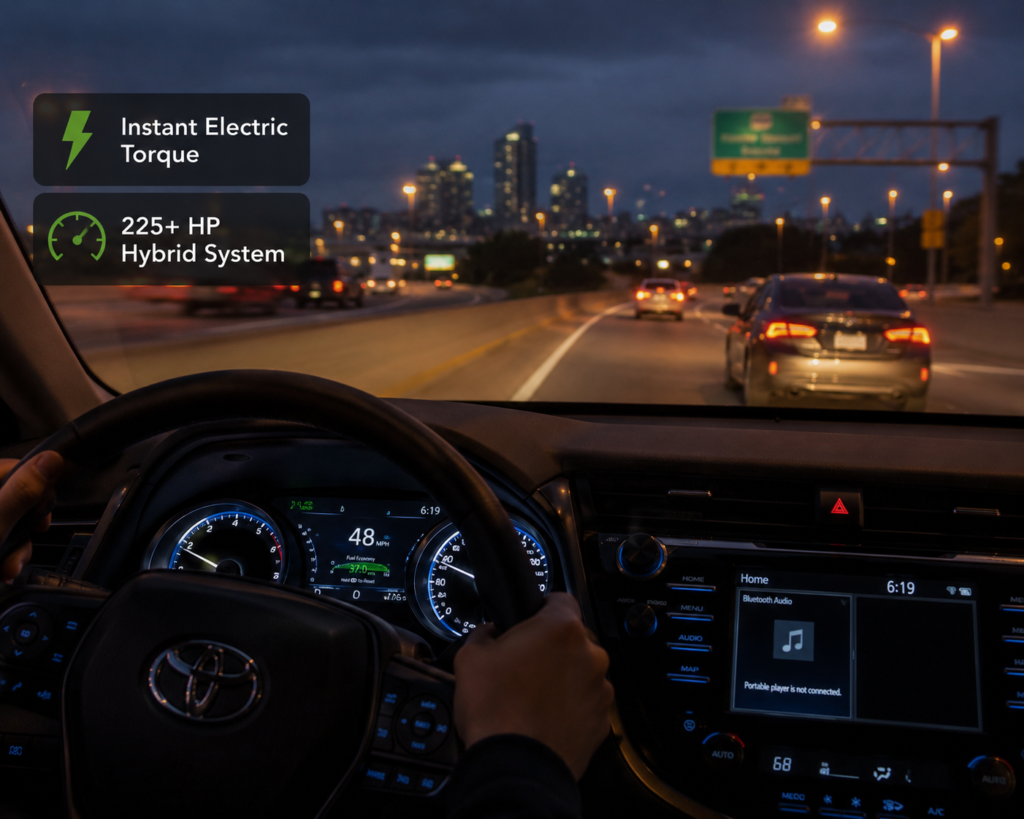
The Camry hybrid feels quicker than many people expect, especially during low-speed driving. Electric motors provide instant torque, so the car responds quickly when leaving traffic lights or overtaking in city traffic.
At highway speeds, acceleration feels smoother rather than aggressive. Drivers coming from older V6 Camrys may still notice the newer hybrid focuses more on efficiency than sporty engine sound. It does not feel sports-car fast, but most drivers find it quicker than expected in traffic.
In stop-and-go traffic, the instant electric torque often makes the Camry feel quicker than its horsepower numbers suggest.
How Does the Camry Engine Perform in City and Highway Driving?
City driving is where the Camry hybrid performs best. The electric motor handles slow traffic efficiently, while regenerative braking helps recharge the battery during frequent stops.
On highways, the gasoline engine stays active longer because steady cruising is more efficient for engine power delivery. Even then, the hybrid system still helps reduce fuel consumption compared to many older midsize sedans.
Here is how the Camry usually splits power in different driving conditions:
| Driving Condition | Main Power Source |
| Slow traffic | Electric motor |
| Stop-and-go driving | Hybrid mode |
| Highway cruising | Mostly gasoline engine |
| Hard acceleration | Engine + motor |
Does the Camry Hybrid Feel Different From Older Models?
Yes. Older Camry models felt more traditional because the gasoline engine stayed active most of the time. Newer hybrid versions feel quieter, smoother, and more relaxed during city driving.
Many drivers notice the biggest difference while waiting at traffic lights because the engine may shut off completely. Toyota also improved insulation and battery management, so switching between power sources feels less noticeable than in early hybrid systems. Some older Camry owners even say the newer hybrid feels calmer during daily commuting.
Drivers moving from older gasoline Camrys often need a few days to get used to how quietly the hybrid operates in traffic.
Is the Toyota Camry engine reliable long-term?
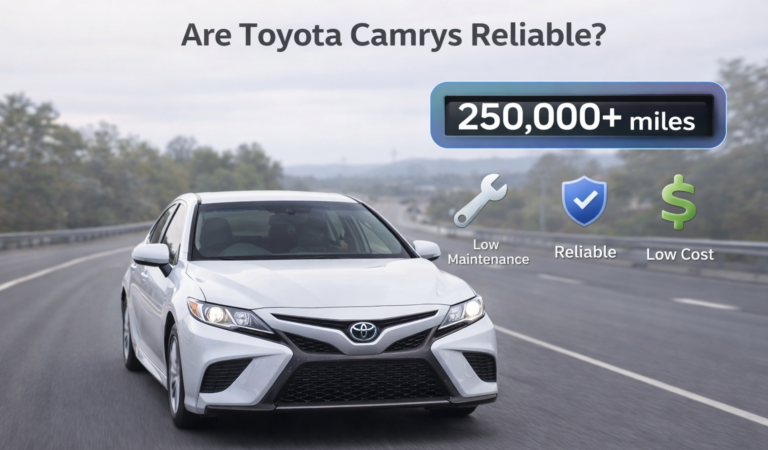
Toyota Camry engines have a strong reliability reputation, especially when maintenance is done on time. Hybrid versions also perform well long-term because the electric motor reduces stress on the gasoline engine during low-speed driving.
Many Camry hybrids easily pass high mileage without major engine problems. Taxi fleets and rideshare drivers often choose Camrys because of their long-term durability.
High-mileage Camrys are commonly used in taxi and rideshare fleets because the engines are known for lasting well beyond normal commuter mileage.
How Long Can a Toyota Camry Engine Last?
A well-maintained Toyota Camry engine can often last 200,000 to 300,000 miles or more. Oil changes, coolant maintenance, and proper driving habits make a major difference.
Hybrid models sometimes experience less engine wear in city driving because the gasoline engine shuts off more often during low-speed use. That reduced workload can help long-term durability.
Does the Camry Hybrid Engine Need More Maintenance?
No. In many cases, the Camry hybrid does not require significantly more maintenance than a regular gasoline model. Some parts actually experience less wear because regenerative braking reduces brake usage.
Common Maintenance Items
- engine oil changes
- coolant inspections
- hybrid battery cooling checks
- air filter replacement
Toyota hybrid systems are designed to operate for many years without requiring constant battery servicing. For most owners, maintenance feels very similar to a regular Camry.
Some owners actually report lower brake wear because regenerative braking reduces how often the physical brakes are used. Battery cooling vents should still be kept clean because blocked airflow can affect hybrid battery temperature over time.
Does the Toyota Camry Offer AWD With Its Engine?
Yes. Recent Toyota Camry hybrid models offer all-wheel drive. AWD versions use an additional rear electric motor to improve traction during rain, snow, or slippery roads.
Unlike older mechanical AWD systems, the hybrid setup can respond quickly because the rear motor works electronically. Many drivers barely notice when AWD assistance activates.
What Makes the New Camry Engine Different From Older Models?
The newest Camry engine setup focuses more on hybrid efficiency, smoother power delivery, and lower emissions compared to older gasoline-focused generations.
The newer hybrid system also feels smoother when the car switches between electric and gasoline power, especially in traffic. That improvement is especially noticeable in traffic and low-speed driving.
Most of the noticeable changes happen during normal daily driving rather than during aggressive performance driving.
Biggest Changes
- hybrid-only powertrain direction
- improved battery cooling
- quieter engine transitions
- stronger low-speed torque
- better fuel economy
Which Toyota Camry Engine Is Best for Most Drivers?
For most people, the newest 2.5L hybrid engine is the best overall option because it balances fuel economy, reliability, and daily comfort very well.
Drivers who mainly commute in traffic usually benefit the most because the electric motor reduces fuel use at lower speeds. Older V6 models still appeal more to drivers who prefer stronger highway acceleration and a sportier feel.
What Are the Biggest Myths About Toyota Camry Engines?
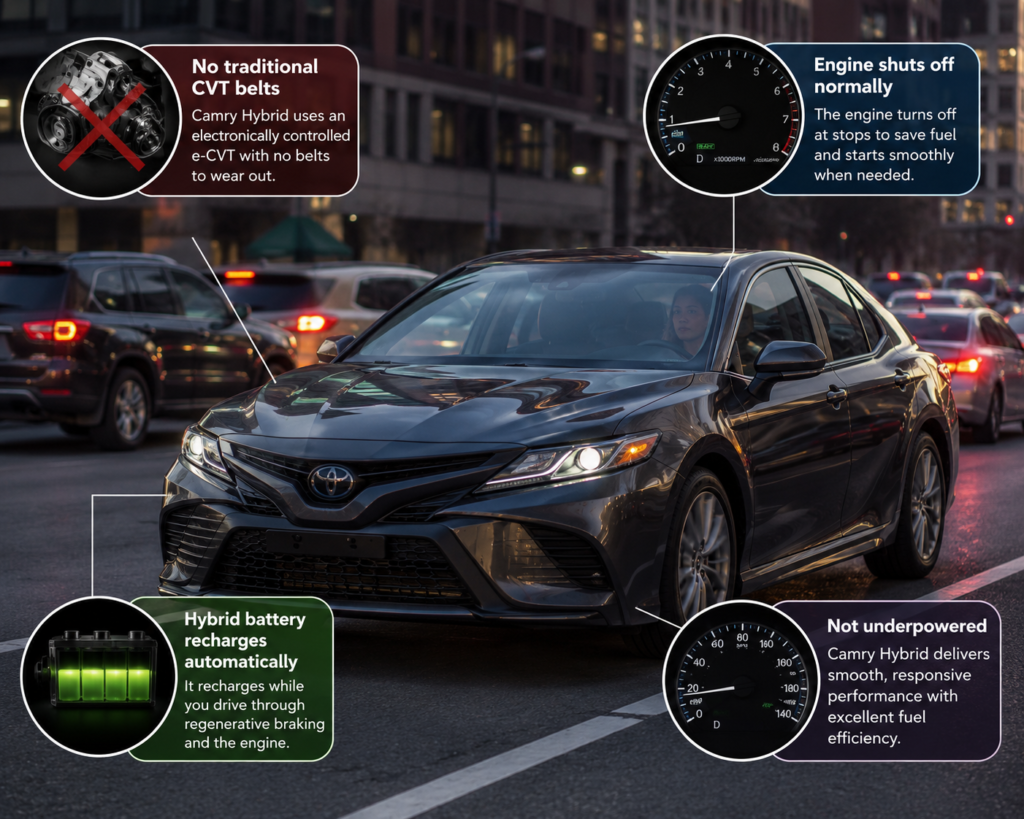
Many people still misunderstand how modern Camry engines work, especially hybrid versions.
| Myth | Reality |
| Hybrid Camrys feel slow | Electric torque improves response |
| Hybrid batteries fail quickly | Many last well over 100k miles |
| eCVT transmissions are weak | Toyota eCVTs are known for durability |
| V6 removal ruined performance | Hybrids still feel responsive |
| Hybrids are hard to maintain | Maintenance is usually straightforward |
One common surprise for new owners is how quiet the Camry becomes in traffic when the electric motor handles most low-speed movement.
FAQs
Does the Toyota Camry still offer a V6 engine?
No. Recent Camry models removed the V6 and now focus mainly on hybrid powertrains.
Can the Toyota Camry hybrid drive without the gasoline engine?
Yes, the Camry can use electric-only power briefly during slow traffic and light acceleration.
Is the Toyota Camry hybrid engine reliable for high-mileage driving?
Yes. Many Camry hybrids reach over 200,000 miles with regular maintenance and proper servicing.
Why does the Camry hybrid engine turn off at traffic lights?
The system shuts the engine off automatically to save fuel and reduce unnecessary idling.
Does the Toyota Camry hybrid feel underpowered on highways?
No. Most drivers find highway performance comfortable because the engine and electric motor work together during acceleration.
Conclusion
The modern Toyota Camry no longer focuses on big gasoline engines as older versions did. Toyota now puts more attention on hybrid efficiency, smoother driving, and lower fuel costs during everyday use. Some older V6 fans may still prefer the stronger sound and highway feel of previous Camrys, but for most commuters, the newer hybrid setup feels quieter, easier to live with, and much better on fuel. That balance is a big reason the Camry continues to stay popular in both city and highway driving.