How Long Do Toyota Camry Hybrid Batteries Last? (Complete Guide)
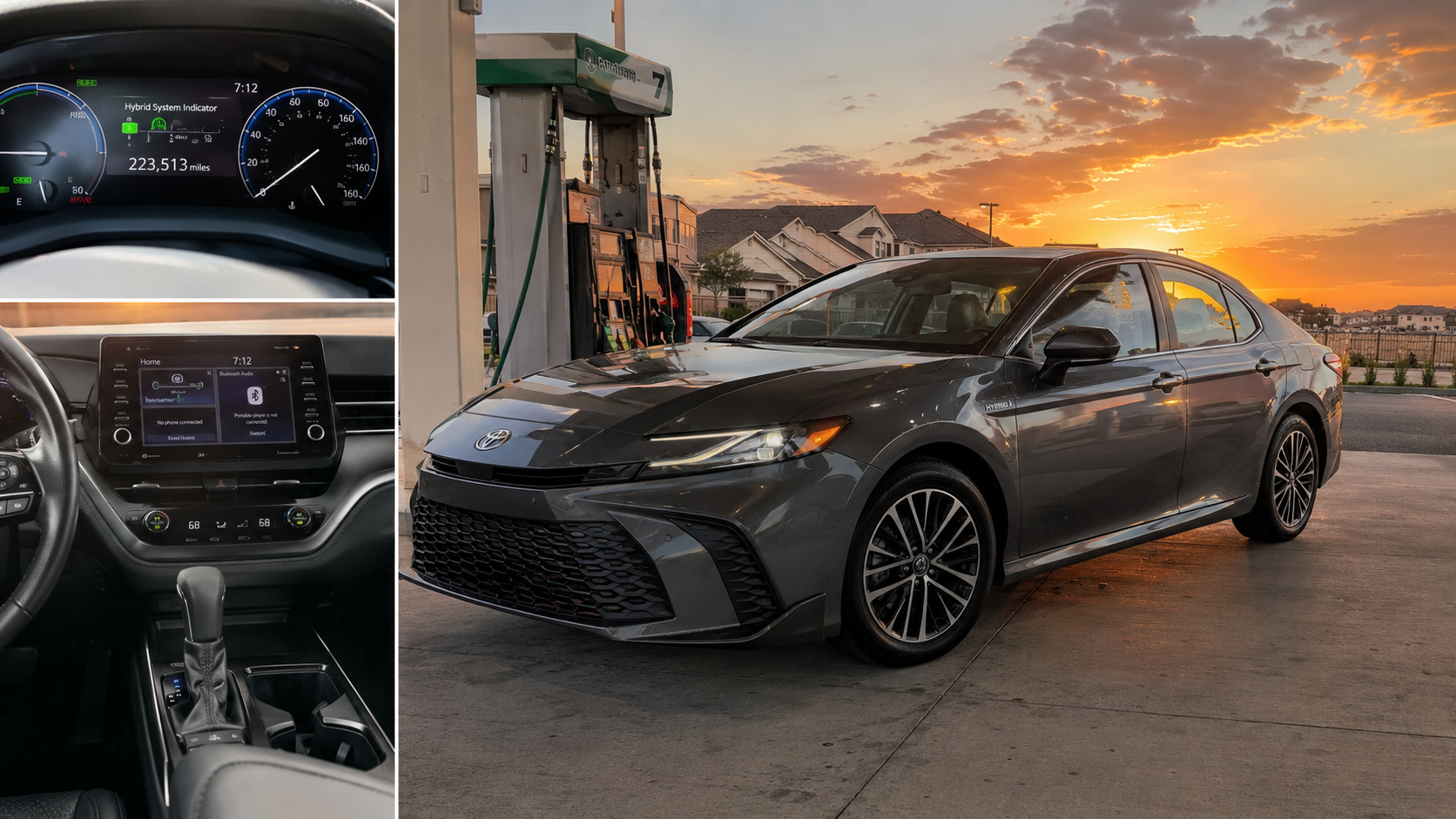
Toyota Camry hybrid batteries usually last much longer than most first-time hybrid buyers expect. Some older Camry Hybrid models from the late 2000s are still on the road with their original battery packs today. Toyota also improved cooling systems, battery software, and charging control in newer generations, especially from 2020 to 2026.
In this guide, you will learn how long Toyota Camry hybrid batteries last, what affects long-term durability, warning signs of battery wear, replacement costs, and which model years are known for stronger reliability.
What Affects Toyota Camry Hybrid Battery Life?
Several factors affect long-term battery durability. Driving style, weather conditions, maintenance habits, and cooling system health all play a major role over time. Extreme heat usually causes faster battery wear because high temperatures increase stress inside battery cells. Stop-and-go traffic also creates more charging and discharging cycles compared to steady highway driving.
On the other hand, smooth driving habits and regular highway use often reduce strain on the battery pack. Dirty cooling vents can also become a hidden problem because restricted airflow slowly raises battery temperature. Drivers living in very hot areas like Arizona, Nevada, or Texas often experience earlier battery wear compared to owners in cooler climates.
How Many Miles Can the Battery Last?
Most Toyota Camry Hybrid battery packs last between 150,000 and 250,000 miles. Some high-mileage taxi and rideshare vehicles have gone even further before needing replacement.
Older Camry generations still show noticeable differences in long-term durability.
| Camry Hybrid Generation | Common Battery Lifespan |
| 2007 to 2011 | 150k to 200k miles |
| 2012 to 2017 | 180k to 250k miles |
| 2018 to 2024 | Often over 250k miles |
| 2025 to 2026 | Too early for full lifespan data |
Some original Camry battery packs are still operating after years of taxi and Uber use, especially in properly maintained 2012+ models.
Also Read: How Many Miles Can A Toyota Camry Last
How Many Years Does It Usually Last?
For most drivers, a Camry Hybrid battery lasts around 10 to 15 years. Moderate temperatures, regular driving, and proper airflow maintenance can sometimes extend lifespan even further.
Cars that sit unused for very long periods often develop battery performance issues earlier than vehicles driven regularly.
Why Do Camry Hybrid Batteries Last So Long?
Toyota spent decades refining its gas-electric technology before many competitors entered the hybrid market seriously. The company also tunes its power management very conservatively compared to some rivals.
That is one reason older Camry Hybrids still hold up surprisingly well after years of daily commuting.
How Does Toyota Hybrid Technology Help?
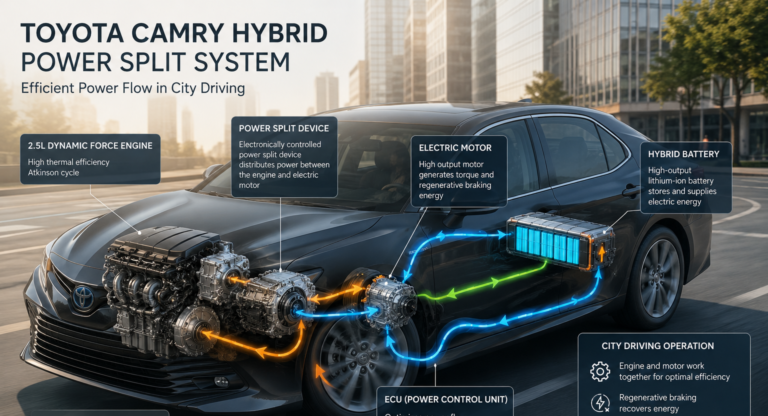
Toyota’s gas-electric setup constantly balances gasoline and electric power to reduce unnecessary strain on the battery pack.
Main reasons the system lasts longer:
- The battery rarely drains completely
- Charging stays carefully controlled
- Engine assistance reduces battery overload
- Regenerative braking lowers stress
Newer 2025 and 2026 models also transition between gasoline and electric power more smoothly than older generations.
Why Is Battery Cooling Important?
Hybrid batteries naturally create heat during charging and discharging. Too much heat over time can shorten long-term durability.
Toyota uses cooling fans and airflow channels to stabilize battery temperatures. Dirty vents can slowly trap heat and increase internal stress.
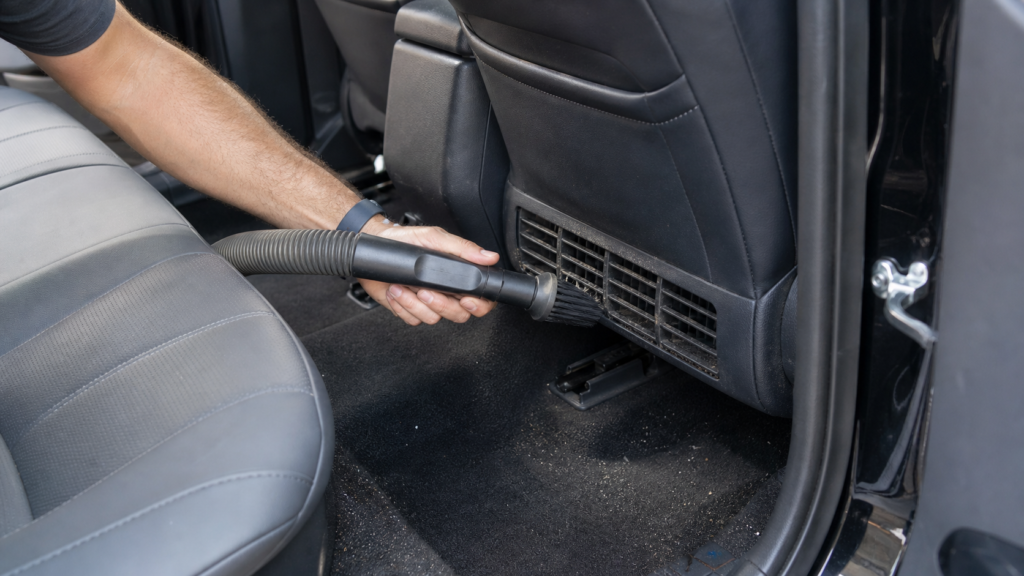
Some rideshare drivers clean battery vents regularly because clogged airflow can reduce cooling efficiency over time.
Some Uber and taxi drivers even vacuum rear battery vents during interior cleaning because blocked airflow can slowly increase battery temperatures without obvious warning signs.
What Are Signs of a Weak Hybrid Battery?
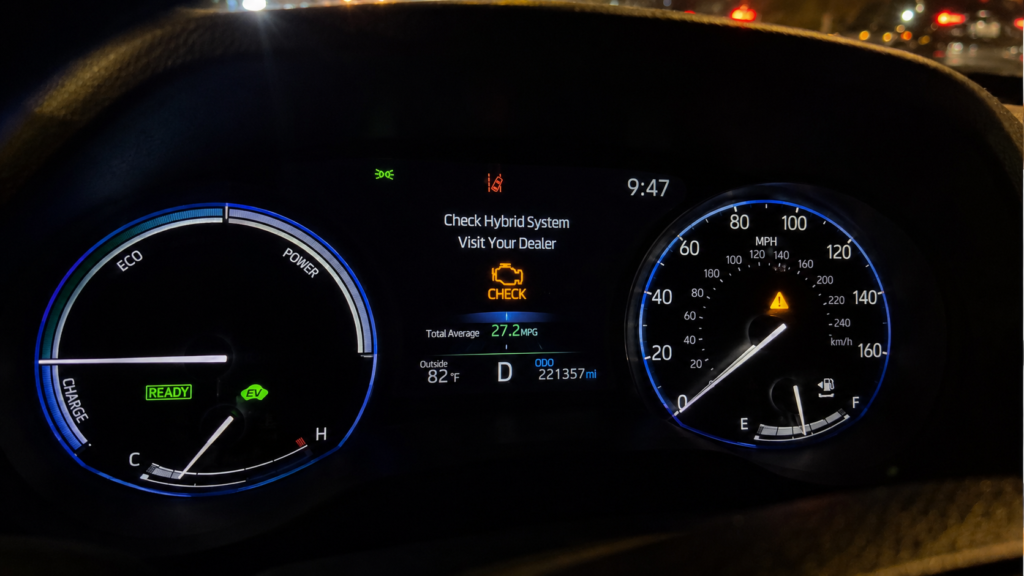
Battery failure usually happens gradually instead of suddenly. Small driving changes often appear months before serious warning lights show up.
Common warning signs include:
- Fuel economy is suddenly dropping
- The engine is running more often
- The battery charge is fluctuating rapidly
- Slower electric response
- Hybrid warning lights are appearing
Older Camry models sometimes show these symptoms long before the battery pack completely fails.
Why Does Fuel Economy Drop?
A weak battery pack cannot store or deliver energy as efficiently as before. The gasoline engine then works harder to compensate during acceleration and city driving.
A sudden MPG drop is often one of the earliest signs drivers notice before bigger battery problems become obvious.
Why Does the Engine Behave Strangely?
As battery performance weakens, the gasoline engine may stay active longer or rev higher than normal.
Some drivers describe the car as feeling less smooth in traffic because the electrified setup depends more heavily on gasoline power once battery efficiency drops.
What Warning Lights Can Appear?
Several dashboard warnings can appear when the gas-electric system detects battery or cooling problems.
| Warning Light | Possible Meaning |
| Check Hybrid System | Hybrid or battery fault |
| Check Engine Light | System-related issue |
| Triangle warning light | Serious warning |
| Battery cooling warning | Ventilation issue |
A diagnostic scan tool is usually needed to confirm whether the battery itself is failing.
Does Weather Affect Hybrid Battery Life?
Yes. Temperature has a major effect on both short-term performance and long-term battery durability.
Very hot climates increase internal battery stress faster, while freezing weather can temporarily reduce electric performance and charging efficiency.
Can Hot Weather Damage the Battery?
Heat is one of the biggest causes of early hybrid battery wear. Constant high temperatures increase chemical degradation inside battery cells.
Drivers in desert climates often replace battery packs earlier than drivers living in cooler regions.
Parking in shaded areas and keeping cooling vents clean can help reduce heat buildup.
Does Cold Weather Reduce Performance?
Yes. Cold weather mainly affects short-term hybrid performance rather than permanent battery damage. During freezing mornings, the battery pack cannot deliver power as efficiently, so the gasoline engine usually stays active longer than normal. Many drivers also notice lower MPG and weaker electric-only driving during winter.
Charging speed can also slow down until battery temperatures warm up. In real-world driving, the hybrid system often feels less responsive for the first few minutes on cold mornings, especially in older Camry Hybrid models.
How Much Does a Camry Hybrid Battery Cost?
Battery replacement cost depends heavily on model year, labor rates, and whether the pack is OEM, rebuilt, or aftermarket.
Battery replacement cost changes a lot depending on whether the pack is brand-new, rebuilt, or aftermarket.
| Battery Type | Estimated Cost |
| New OEM battery | $2,000 to $4,500 |
| Refurbished battery | $1,000 to $2,000 |
| Aftermarket pack | Varies widely |
Newer Camry Hybrid models from 2020 to 2026 sometimes cost more because their systems are more advanced.
OEM or Aftermarket Battery: Which Is Better?
OEM Toyota batteries usually provide more predictable reliability and longer service life. Aftermarket packs can cost less, but quality varies heavily between manufacturers.
Some cheaper rebuilt packs fail much sooner in very hot climates or high-mileage driving conditions.
How Much Is Installation and Labor?
Labor costs typically range from a few hundred dollars to over $1,000, depending on location and repair shop rates.
Dealerships usually charge more than independent hybrid repair specialists.
Some independent hybrid shops charge much less because they rebuild damaged battery sections instead of replacing the entire pack.
Can You Make a Hybrid Battery Last Longer?
Yes. Driving habits and maintenance routines can noticeably affect long-term durability.
Owners who maintain cooling airflow and avoid excessive heat exposure often experience fewer battery-related issues over high mileage.
Cars driven regularly usually maintain battery health better than hybrids left parked for long periods without use.
What Driving Habits Help Battery Life?
A few simple driving habits can noticeably reduce long-term battery stress. Smooth acceleration usually keeps battery temperatures lower compared to constant aggressive driving. Cars driven regularly also tend to maintain healthier battery performance than hybrids left parked for long periods without use.
Keeping rear cooling vents clean is equally important because blocked airflow can slowly increase battery heat over time. Some long-term Camry Hybrid owners also avoid repeated hard acceleration in heavy traffic because excessive heat buildup can shorten battery lifespan gradually.
What Maintenance Helps the Most?
Battery cooling maintenance matters more than many drivers realize.
Helpful maintenance includes:
- Cleaning battery cooling vents
- Replacing dirty cabin air filters
- Reducing dust buildup inside the cabin
- Fixing warning lights quickly
Neglecting airflow problems can slowly increase battery temperature over time.
Are Toyota Camry Hybrid Batteries Reliable?
Yes. Toyota hybrid batteries have one of the strongest reliability reputations in the automotive industry.
Many older Camry Hybrids still operate normally after more than a decade of daily driving. Taxi fleets and rideshare drivers continue using them because battery failures are less common than people often assume.
Some buyers still expect hybrid batteries to fail early, but long-term ownership data usually tells a very different story.
How Does Camry Compare to Other Hybrids?
The Toyota Camry Hybrid competes closely with models like the Honda Accord Hybrid, Hyundai Sonata Hybrid, and Kia K5 Hybrid. Each vehicle focuses on slightly different strengths. The Accord Hybrid is known for a smooth driving feel, while the Sonata Hybrid offers more technology-focused features in many trims.
Toyota still stands out mostly for long-term durability and high-mileage reliability. Taxi fleets and rideshare drivers commonly choose Camry Hybrids because the gas-electric system has a stronger long-term reputation than many competitors. Some hybrid mechanics also report seeing older Camry Hybrid battery packs lasting longer than expected compared to rival midsize hybrid sedans.
Read Guide: Is Toyota Camry A Good Car
What Myths About Hybrid Batteries Are False?
Many hybrid battery fears still come from outdated information from early hybrid vehicles. A common myth is that hybrid batteries fail quickly, but many modern Camry Hybrid battery packs last well over 10 years with proper maintenance. Another misconception is that replacement always costs over $10,000, even though real-world replacement costs today are usually much lower.
Some people also believe hybrids are unreliable or that batteries suddenly die without warning. In reality, most battery packs weaken gradually and usually show warning signs first, like reduced MPG, rougher engine behavior, or warning lights. A lot of newer owners end up surprised by how little maintenance modern Toyota hybrid systems actually need.
Which Camry Hybrid Years Have the Best Batteries?
Some Camry Hybrid generations developed much stronger reputations for reliability than others.
| Model Years | Reputation |
| 2007 to 2011 | Reliable but aging now |
| 2012 to 2017 | Proven long-term durability |
| 2018 to 2024 | Major efficiency improvements |
| 2025 to 2026 | Improved refinement |
Many hybrid technicians consider 2018+ models among the best overall because Toyota improved cooling systems, software control, and efficiency together.
Some hybrid mechanics also report fewer cooling-related battery complaints in 2018+ Camry models compared to older generations.
FAQs
Can a Toyota Camry Hybrid battery last over 200,000 miles?
Yes. Properly maintained Camry Hybrid models often exceed 200k miles because Toyota’s power management system reduces engine and battery stress.
Do Toyota Camry Hybrid batteries fail suddenly?
No. Most battery packs weaken gradually and usually show warning signs like MPG loss, rough engine cycling, or warning lights first.
What happens when a Camry Hybrid battery starts going bad?
Drivers commonly notice weaker fuel economy, louder acceleration, rougher engine behavior, and reduced electric driving performance.
Is replacing a Toyota Camry Hybrid battery expensive?
Replacement cost depends on battery type, labor, and model year, but modern replacement pricing is usually much lower than people expect.
Should you buy a used Camry Hybrid with over 150k miles?
Yes, if maintenance history is strong and the hybrid system shows no major warning signs, many high-mileage Camrys remain dependable.
Conclusion
Toyota Camry Hybrid batteries are designed for long-term daily driving, not short-term ownership. Some drivers easily pass 200,000 miles without major battery trouble when maintenance is done properly. Toyota’s cooling systems, charging control, and conservative battery management all help improve durability. For commuters wanting strong fuel economy with proven long-term reliability, the Camry Hybrid remains one of the safest choices in the midsize hybrid market today.