How Long Do Toyota Camry Brake Pads Last?
Brake pads are a safety part, so this is a guide worth reading before you hear any strange noises. The good news is that Camry brake pads usually last a long time, and they almost always warn you before they are finished. This guide shows how long they last, the signs that they are worn, and what new pads cost in the US.
The Short Answer
Toyota Camry brake pads usually last about 30,000 to 70,000 miles. City driving with lots of stopping wears them near the 30,000-mile end. Calm highway driving can take them to 70,000 miles or more. When they do wear out, new pads cost about $150 to $300 per axle, including parts and labour.
What Changes How Long Brake Pads Last?
No two drivers wear pads at the same speed. These things matter most:
- Where you drive. Stop-and-go city traffic uses the brakes far more than open highways.
- How you drive. Hard, late braking wears pads fast. Gentle, early braking is kind to them.
- The pad type. Ceramic pads usually last longer than cheaper basic pads.
- The car’s load. Heavy loads and towing make the brakes work harder.
Front pads wear faster than rear pads, because most of the braking power is at the front of the car. It is normal to change the front pads first.
Hybrid Camrys have one more reason their pads last longer. All new Camrys (2025 and 2026) are hybrids. When you slow down, the hybrid system uses the electric motor to slow the car first, so the brake pads do less work. This is called regenerative braking. It does not mean the pads never wear out — they still do — but it is one reason many hybrid owners reach the higher end of the 30,000–70,000 mile range.
Warning Signs Your Brake Pads Are Worn
Pads rarely fail without warning. Watch and listen for these signs:
- A squealing or chirping sound when you brake. Most pads have a small metal tab that makes this noise on purpose when the pad is thin — it is a built-in warning.
- A grinding sound. This is serious: the pad material is gone and metal is rubbing on metal. Fix it at once, because the brake discs (rotors) get damaged too.
- The car takes longer to stop than it used to.
- The steering wheel or brake pedal shakes when you brake.
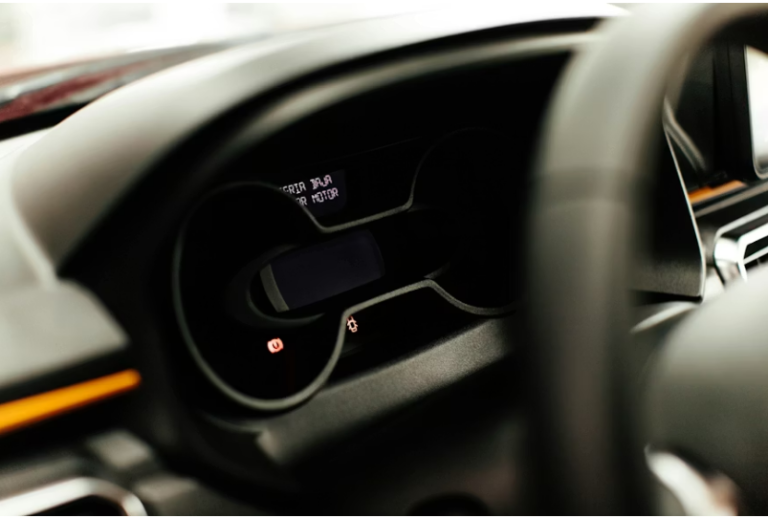
- The brake warning light on the dashboard. Our guide to Toyota Camry warning lights explains every light in simple words.
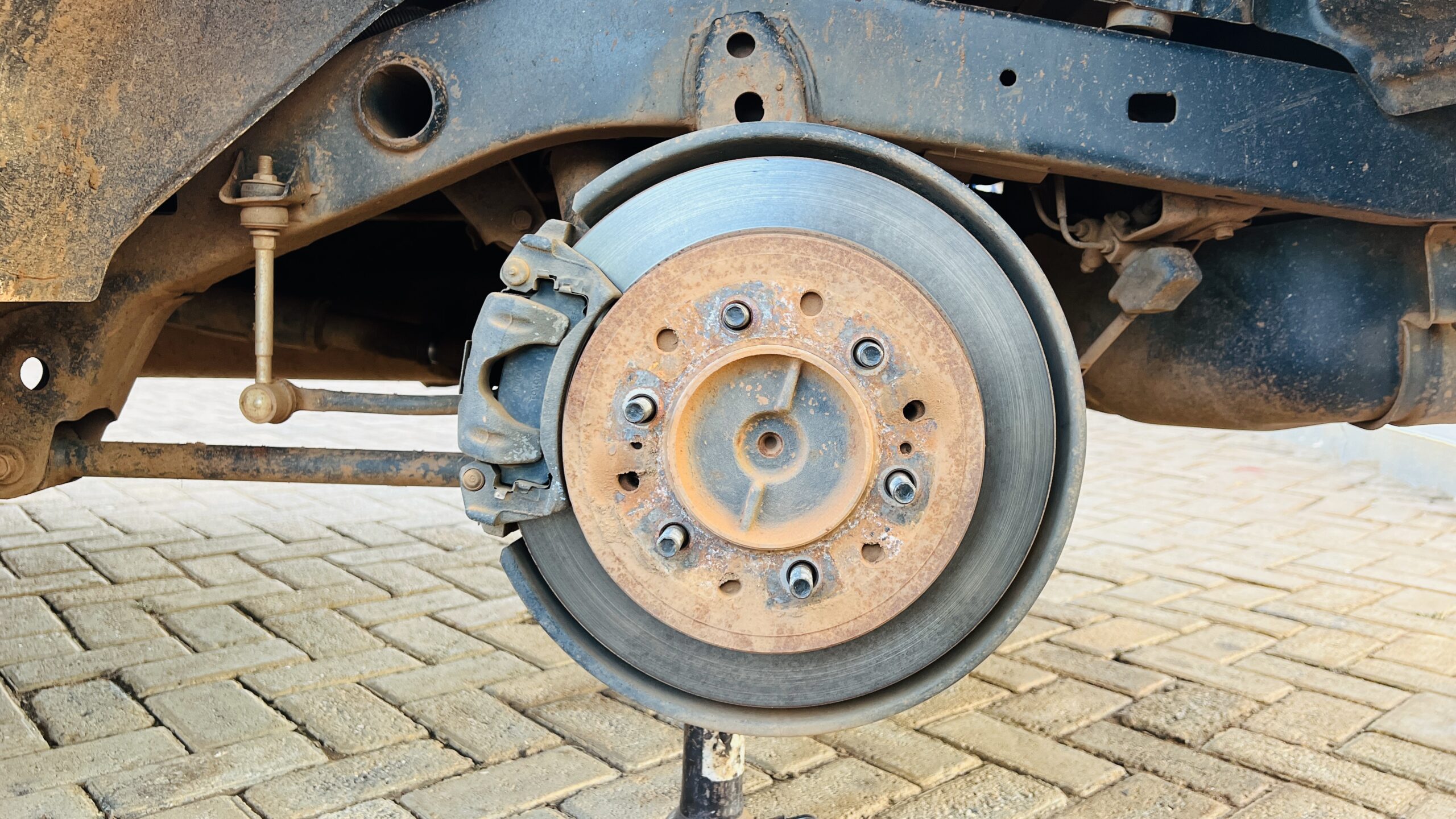
- You can see through the wheel that the pad looks very thin (less than about 3 mm of material left).
When Should the Pads Be Checked?
Have the brakes looked at every time the tires are rotated — that is every 5,000 miles on the Camry’s schedule. A quick look costs nothing at most shops during other work, and it means worn pads are found early, while the job is still cheap. The full service timing is in our Toyota Camry Maintenance Schedule, and this guide is also part of our Toyota Camry Maintenance Guide.
What Does Brake Pad Replacement Cost?
| Job | Usual cost |
|---|---|
| New pads, one axle (parts and labour) | About $150 to $300 |
| Pads only, if you fit them yourself | About $50 to $100 per axle |
| New pads and rotors, one axle | About $300 to $600 |
Front and rear pads are priced per axle (two wheels), so changing all four wheels costs about double the one-axle price. Dealer prices sit at the top of these ranges; independent shops are usually lower.
Do the Rotors Need Changing Too?
Not always. If the rotors are smooth and thick enough, the shop can fit new pads alone. Rotors need changing when they are worn thin, deeply scored, or causing shaking when you brake. A good shop will measure them and show you, rather than just adding them to the bill.
What Happens When a Shop Changes Your Brake Pads?
A brake pad change is a simple job, but a good shop still checks a few things first. First, the mechanic removes the wheel and looks at the pads. If less than about 3 mm of pad material is left, the pads are finished and need changing. The mechanic also checks the rotors for deep marks and measures how thick they are. If the rotors are still smooth and thick enough, only the pads are changed. The caliper, the part that squeezes the pads, is checked too. If it sticks, it is cleaned or fixed, because a sticking caliper can wear out a new pad very fast. Then the new pads are fitted, the wheel goes back on, and the brakes are tested with a short drive. New pads also need a short break-in time. For the first few hundred miles, brake gently and avoid hard stops when you can, so the new pads settle evenly against the rotors. The whole job usually takes about 1 to 2 hours per axle.
Simple Habits That Make Pads Last Longer
- Slow down early and gently, instead of braking hard at the last moment.
- Leave a bigger gap to the car in front, so you brake less often.
- Do not rest your foot on the brake pedal while driving.
- Take heavy loads out of the car when you do not need them.
- Fix a sticking brake caliper at once — it can eat one pad very fast.
FAQs
Can I change Camry brake pads myself?
Experienced home mechanics can, with the right tools. But brakes are a safety system: if you are not fully sure of the job, let a shop do it. The labour cost is modest, and the risk of a mistake is not worth it.
How long does replacement take?
About 1 to 2 hours per axle at a shop.
Are ceramic pads worth it?
For most Camry drivers, yes. They last well, run quietly, and make less dust on the wheels.
What happens if I keep driving on worn pads?
Stopping distances grow, the rotors get damaged (which makes the repair much more expensive), and in the worst case the brakes can fail. Worn pads are never a safe saving.
Conclusion
Camry brake pads are a long-life part — about 30,000 to 70,000 miles — and they give clear warnings before they finish. Listen for squealing, get them checked at every tire rotation, and plan on about $150 to $300 per axle when the time comes. That small, planned cost keeps the most important safety system on your car strong.
How We Checked This Guide
The lifespan and cost ranges in this guide are US averages built from Toyota dealer service pages and common shop pricing, written with “about” because driving style and local prices change them a lot. The check timing follows the service rhythm in Toyota’s maintenance schedule for the Camry. Last checked: November 2026.
Read Next: Toyota Camry Warning Lights Meaning